
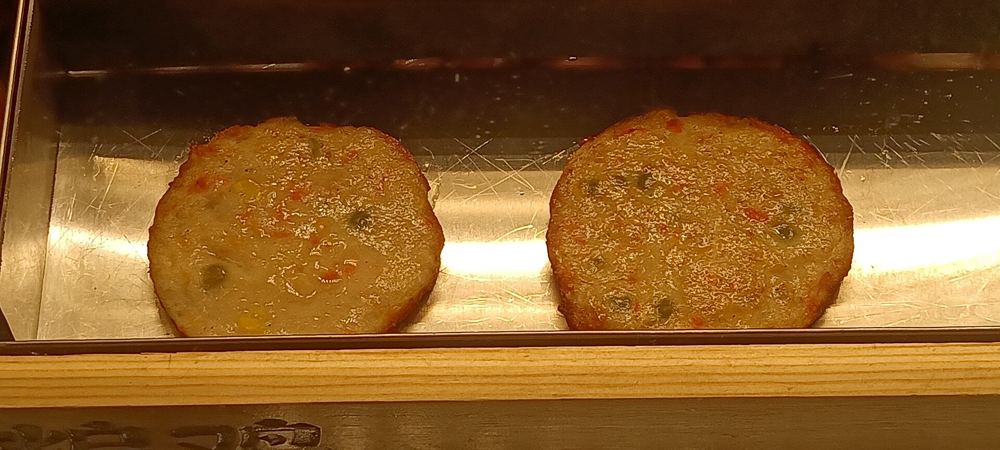
A frozen fish cake specification sheet is the document that saves a first container. It is the agreement that sits above the purchase order, written before any production slot is booked. Buyers who treat it as a formality learn that the processor's default spec is tuned for the processor's biggest market, which may not be yours. This guide walks through each field a buyer should ask about before the quote is signed. For the broader supplier picture, see our Vietnam fish cake supplier page.
Why a spec sheet matters
Once a spec sheet is signed and dated, the processor can quote a firm price against a known recipe rather than a working range. The QA team at loading has a target to measure against, so the acceptance criteria at the port are no longer a judgment call. The buyer has a document that stands up at a retail audit, with ingredients and allergens that match the pack. Without it the first container travels on trust, and arguments after arrival land with no reference point.
Core identity fields
Start with the identity of the product. The commercial name on the pack and the technical name on the invoice can differ. The style name (odeng, kamaboko, tempura, Thai patty) sets expectations with the processor and retail. The species of fish and surimi used, both common and Latin names, carry over to the label. The target destination market shapes everything downstream from allergen format to best before format.
Composition and recipe
Composition is where price and quality meet. The buyer sets the fish and surimi share as a percentage of the finished product. A higher share lifts the sensory quality and the price. The starch, binder and water content fill out the balance. The processor adds seasoning on your recipe, with written levels on salt, sugar, chilli and umami. The ingredient list follows local rules and is read against the recipe before the first run.
If you want a blended fish base, write the ratio in the spec. Pangasius blended with pollock surimi at a set share is one common pattern. Our pangasius vs other whitefish blog goes through the trade offs, and the Vietnam surimi exporter page covers the grade system behind these ratios.
Shape, weight and pack
Retail wins and loses on the pack. The spec sheet should carry the shape (round, oval, stick, sheet), the portion weight band in grams, the pieces per inner bag, and the inner bag seal method. For food service the inner is often a bulk polybag of 1 or 2 kg. For retail the inner is a printed polybag with a hanger hole or a flat seal, in a weight band tight enough to meet local declaration rules. The master carton holds the inner bags, with a known carton weight, box dimensions, cartons per pallet, and pallet type (heat treated wood, non treated, plastic). The last pack line is barcode: retail and carton, with a printed proof signed off before the first master carton is produced.
Freezing, glaze and shelf life
The freezing method sets the texture at thaw. Blast frozen cakes keep their shape and give a cleaner bite than slower frozen product. Many retail fish cakes are IQF after forming so the pieces separate inside the bag. The glaze percentage, if any, is written as a share of net weight, and the declared net weight on the pack is after deglazing. Shelf life is set from the production date and depends on packaging barrier and storage temperature. Most frozen fish cake carries a shelf life stated in months when held at or below -18°C. Our -18°C cold chain blog covers what to check at loading and arrival so the shelf life claim stays honest.
Microbiology and lab tests
Microbiology and residues sit in a table at the back of the spec. Total plate count, coliforms, E coli, Salmonella, Listeria and Staphylococcus are the usual lines. Heavy metals and histamine are included for some destinations. The processor runs lot tests at an accredited lab in Vietnam. The acceptance criteria on the spec match the destination rules the buyer provides. Setting a tighter limit than the law is a buyer choice; setting a looser one is not.
Labelling and allergens
Labelling triggers the most arguments after arrival. The spec sheet should state the exact allergen list for the recipe, following the destination's set. For the EU this is 14 allergens. For Australia, Japan or Korea the list differs. Soy, wheat, egg, sesame and fish are common in fish cake recipes. Country of origin, net weight after glaze, batch code, best before format and storage instruction all appear on the pack. A printed proof is approved by the retailer before the first master carton is printed.
Spec sheet template
Buyers without a template of their own can start from the table. The right column is the value to pin down before signing.
| Field | Example value or format |
|---|---|
| Commercial product name | Korean odeng sheet, 500 g retail bag |
| Fish species and surimi | Pangasius (Pangasianodon hypophthalmus), surimi grade in the ratio sheet |
| Fish and surimi share | Percent of finished product, agreed with the quote |
| Starch and binder content | Percent and type of starch, binder and water |
| Seasoning profile | Salt, sugar, umami, chilli, specialty flavour, agreed in writing |
| Allergen declaration | Soy, wheat, egg, sesame, fish, per destination allergen set |
| Shape and portion weight | Round, oval, stick, sheet, with weight band |
| Inner and outer pack | Printed polybag, master carton, cartons per pallet, pallet type |
| Freezing and glaze | Blast frozen, IQF or block, glaze percent if any |
| Shelf life and storage | Months at or below -18°C, deep freeze storage statement |
| Microbiology limits | TPC, coliforms, E coli, Salmonella, Listeria, Staph, histamine |
| Lab testing plan | Which lab, which lot, which report format |
| Labelling | Pack art version, barcode proof, origin and best before format |
Need a working spec sheet to start from?
Share your recipe reference, pack size and destination port. A spec sheet draft and a sample plan come back inside a working day.
Ask for a draft specCommon gaps buyers forget
The pack weight band is the gap that costs the most. A spec that reads "500 g bag" without a tolerance range invites arguments over short weight at retail. The next gap is the allergen set, often copied from a template written for a different market. The lab test plan matters too: naming the lab, the method and the frequency saves hours of discussion with retail QA. Pallet type is a quiet trap: "export pallets" is not the same as "heat treated wooden pallets with ISPM 15 marks" when the destination needs that mark. The last gap is the data logger. A spec that fills these gaps saves a week on a first order. See our buyer's guide to importing frozen fish cake for the fuller flow.
FAQ
What is a frozen fish cake specification sheet?
A specification sheet is the written agreement between buyer and processor about what each production lot should contain and how it should be packed, frozen and labelled. It sits above the purchase order and governs the recipe, the acceptance criteria at loading and the shelf life claim. Both sides sign it before the first run.
Which fields are must-have on a first inquiry?
The four fields that matter most on day one are the fish and surimi content, the shape and portion weight, the inner and outer pack, and the destination market with its label rules. With these in hand the processor can quote a sample plan and a working price range inside a working day.
How does the surimi content on the spec affect price?
A higher surimi share pushes up both the raw material cost and the perceived quality. A spec that reads 60 percent fish and surimi is in a different price bracket from a spec at 35 percent. The retail price point and the shelf position usually set the number. The processor confirms the achievable range for your recipe in the quote.
Can the spec sheet be in a format my QA team already uses?
Yes. Most buyers send their own template. The processor fills it in with values and attachments. If you prefer to work from the processor's template, we share one with the sample plan. The important part is that one version is signed and dated by both sides before production.
Who signs the spec sheet before production?
On the buyer side, the sign off usually sits with the technical or QA lead. On the processor side the production manager and the QA lead sign. FROKO18 signs on behalf of the trading side so you have one party to hold to the agreement across production, loading and arrival.
How often is the spec sheet revised after the first order?
Minor revisions on seasoning or pack weight are common after the first shipment lands and the retail team sees the product on the shelf. A revised version is signed before the next production run. Significant changes such as a different fish ratio or a new allergen trigger a fresh sample round before the next container.