
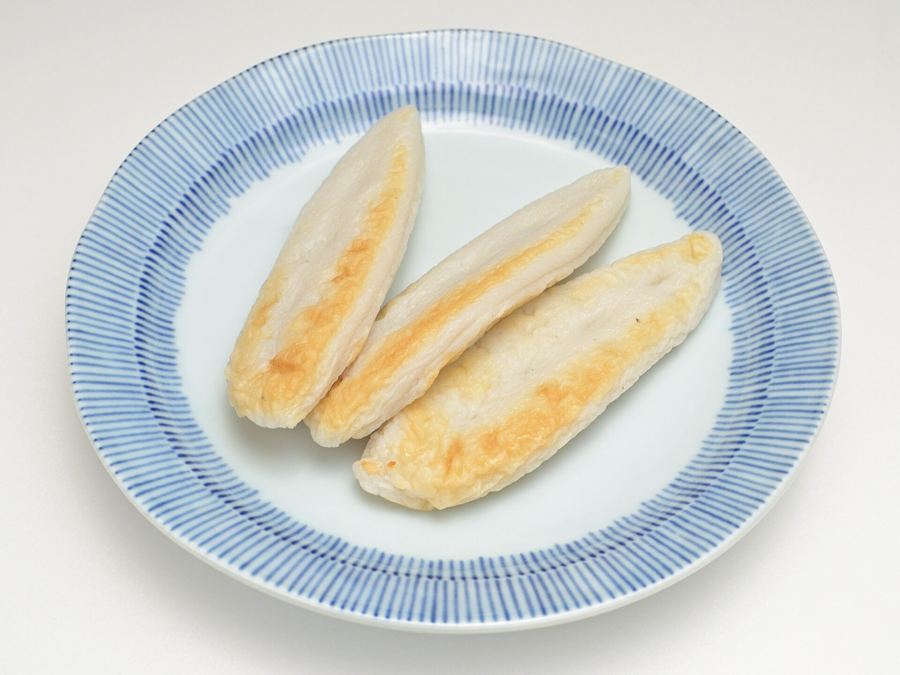
If you are looking for a surimi exporter in Vietnam, you probably run a factory. You take the base paste, defrost it in a controlled room, work it with your own seasoning and binders, shape it, cook it and freeze it under your own brand. What you need from the exporter is a clean block of surimi with the gel strength your process is designed around, a whiteness that reads well on your finished product, a repeatable spec from one container to the next, and a cold chain that keeps the block at -18°C from Vietnam to your receiving dock. This page explains how FROKO18 handles that work and what you need to send us for a serious quote.
FROKO18 is the frozen food line of HMD Strategy & Export Co., Ltd, an export company in the Mekong Delta. We are not a surimi plant. We work with export-registered surimi processors in the delta, agree the spec with you, run quality checks on our side and move the cargo. For the home page see froko18.com. If you are also comparing Vietnamese fish cake suppliers that sell the finished product, our companion page sits next to this one.
On this page
- What surimi is, in one paragraph
- Why pangasius surimi
- End uses: what buyers turn surimi into
- Grades and what they mean
- Private label surimi and OEM
- Block packing and format
- Standard specification table
- Mixed seafood containers
- Cold chain from processor to port
- From first email to first container
- Documents, lab tests and what we do not claim
- Frequently asked questions
What surimi is, in one paragraph
Surimi is a stabilised fish paste. The processor takes white fish fillet, minces it, washes it in cold water to remove fat, blood and water-soluble proteins, dewaters it, mixes it with cryoprotectants that keep it stable at -18°C, and freezes it into blocks. Those blocks are a base ingredient. You defrost them, work them with salt until the proteins open up, add starch, egg white, seasoning or colour, and shape the final product. Surimi is not a finished fish cake. It is the material a fish cake, a fish ball, a sheet of kamaboko, a chikuwa stick or an imitation crab leg is built from. That is why factories buy surimi, and smaller retailers usually buy the finished cake.
Why pangasius surimi
Pangasius is a farmed, mild, white, low fat fish from the Mekong Delta. It washes well, the mince cleans up to a pale colour, and when the processor controls wash cycles and temperature, the finished block can hold gel strength suitable for a wide range of end products. For an importer, two things matter beyond that. First, pangasius farms in the delta are reasonably steady year round, which keeps monthly supply manageable. Second, pangasius surimi can be used alone or blended with a surimi from another white fish, which gives flexibility if your reference recipe uses a blend.
We do not claim pangasius surimi matches every spec that factories are used to from Alaska pollock surimi. The two fish behave differently, and the gel strength and whiteness ranges you can expect from pangasius are its own ranges. We will tell you honestly what a given spec can hold, and what trade-off the recipe will have to make if the number you ask for is outside what pangasius can repeatedly do. For a sense of what the finished product looks like, see our fish cake supplier Vietnam page.
End uses: what buyers turn surimi into
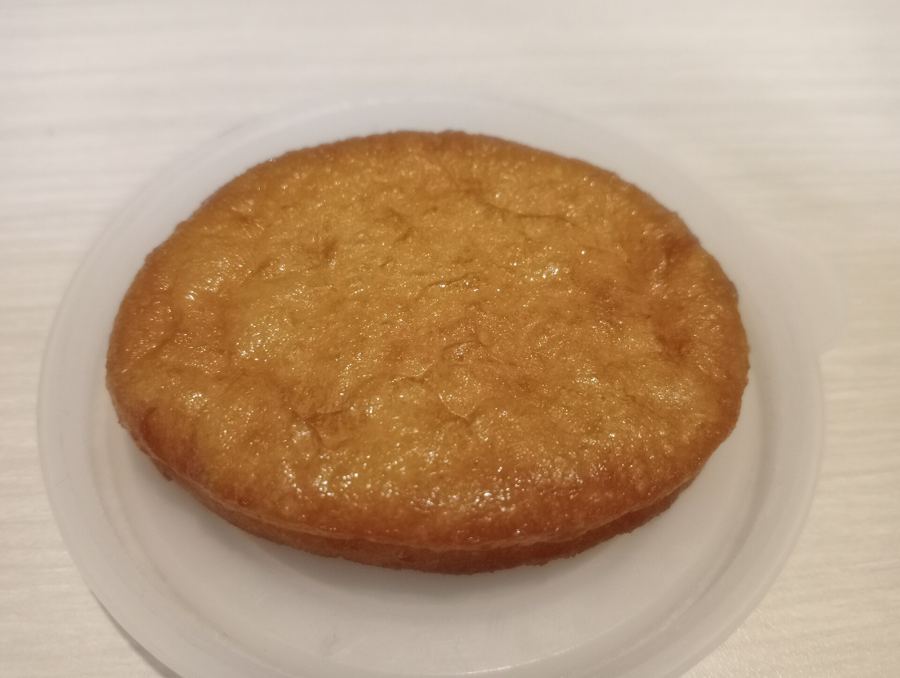
The three most common families of finished product made from surimi are kamaboko style blocks and slices for Asian retail, fish balls and fish cake for soup and hot pot, and imitation crab sticks for retail freezers. Beyond those, some buyers use surimi as a protein in sausage style blends, as a filler in fish patties and as a base for crab flavoured sauces. The chosen end use decides how much you lean on gel strength versus whiteness, and that in turn drives the grade you ask us for.
Kamaboko and imitation crab are usually built from a higher grade surimi where whiteness and gel both matter. Fish balls for soup can usually tolerate a mid grade. Fillers and sausage style blends can usually tolerate a lower grade where the final seasoning dominates. We will suggest a grade in writing against your reference and leave the final choice to you.
Grades and what they mean
Industry grades for surimi usually run on three measures. Gel strength tells you how firm the cooked surimi will be. Whiteness tells you how pale the finished product will look. Impurity count tells you how clean the paste is. Different processors use different grade names. One processor's label will not translate one to one to another's. The practical approach is to send us your reference block or your spec sheet, agree the target gel strength range, the whiteness range and the impurity count in writing, and align on the final target against a sample from the production line.
We do not publish fixed numbers on this page because fixed numbers mislead. The grade that your market needs for imitation crab is not the same as the grade that your market needs for fried fish balls. We would rather spend a short call agreeing the target spec than put a line here that your factory then has to re-negotiate.
Private label surimi and OEM
Most of our surimi ships as plain export cartons, because the end buyers are factories that pack their own brand on the finished product. Where private label surimi is useful is when you are a distributor selling surimi forward to other factories. In that case you want your brand on the master carton and on the inner polybag print, and you want a consistent spec across more than one buyer. We can print the inner polybag and the master carton to your artwork, keep the processor name confidential and provide the documents and lab results in your name.
On an OEM order, where you want the processor to work to your exact recipe rather than to one of the standard pangasius surimi lines, we agree the information flow under NDA before any sample is produced. Your recipe stays with the processor and the key operators only. Specific ingredient lists and processing steps you want kept confidential are flagged in the recipe handover document, which we draft with you.
Block packing and format
Standard pangasius surimi ships as block frozen slabs inside printed polybags, inside master cartons, on pallets. Common slab weight is around ten kilograms. Common master carton net weight is around twenty kilograms, with two slabs per carton. Those are indicative only. Block weight, carton net weight, carton code, lot number, best before date and country of origin are confirmed with you before production. If your port has a specific wood packaging rule or a specific master label format, flag it in the first email so we can plan the pallet and label from day one.
We can also discuss alternative inner packing, for example smaller slab weights for factories with smaller defrost tanks. The processor usually needs a lead time for a different inner pack, which we will tell you honestly before you commit. The default is the ten kilogram slab because it fits common processing equipment.
Standard specification table
The table below is a starting point for first conversations. Every row is set with you per order against your reference. Treat it as a check list, not a locked specification.
| Field | Typical range | Who sets it |
|---|---|---|
| Base fish | Pangasius from the Mekong Delta | Agreed per order |
| Form | Block frozen slab, inside printed polybag | Default, alternatives on request |
| Gel strength | Target range set against your reference | You, with our advice |
| Whiteness | Target range set against your reference | You, with our advice |
| Impurity count | Target set per grade | You |
| Moisture, fat, pH | Agreed per spec sheet | Lab, shared with the quote |
| Cryoprotectants | Standard sugar and sorbitol blend, or as your spec allows | You, check with your broker |
| Slab weight | Around 10 kg per slab, two slabs per carton | You |
| Master carton | Around 20 kg net, printed or plain | You |
| Pallet pattern | Agreed per order, matches your port's rules | You |
| Shelf life | Set after the spec is fixed and tested | Lab, shared with the quote |
| Minimum order | Agreed per order, mixed container possible | Us and you |
Mixed seafood containers
Many factories need a few tonnes of surimi together with a few tonnes of fish cake and some breaded pangasius, not a full container of a single item. We solve that by loading several seafood items in one reefer, all held at -18°C. Surimi, fish cake and breaded pangasius ship well together. Durian ships in its own container because the smell carries into other cargo. Frozen fruit and vegetables can share with seafood if the inner packing is right. The loading plan is agreed before we book the slot, so you know what goes where, the weight distribution is correct and the receiving dock knows what to expect.
Cold chain from processor to port
The whole point of our brand name is -18°C. Surimi is especially sensitive to temperature swings. If the block warms during transit, water migrates, ice crystals grow, and the gel strength on arrival is not what you tested when the block left Vietnam. We will not take that risk with your cargo. Block frozen slabs leave the processor at the agreed temperature, move into cold storage at -18°C or colder, and load into a reefer container pre-cooled to the agreed set point. Core temperature on the block is checked before loading. The container unit logs the temperature through the voyage. Loading photos show the carton stacks, the pallet pattern, the temperature strip and the container number. The photos go to you with the shipping documents.
If the cold chain is broken at any point we tell you before the container leaves Vietnam. We would rather delay a shipment than ship a doubtful lot of surimi. If a temperature variance happens in transit, which is outside our hands once the container is at sea, we flag it to you as soon as the shipping line reports it, so your factory can plan the defrost and testing on arrival.
From first email to first container
A straight first project usually runs like this. Day one, you email us or send a WhatsApp message with your target grade, slab format, master carton format, target volume, destination port and target month. Within one working day Vietnam time, we reply with a short questionnaire for the gaps and ask for your reference block or spec sheet. Over the next few weeks the processor runs a trial, we send a sample slab from the production line and share the lab results. You defrost, work, cook and taste. You send back notes. If a second trial is needed, we run it. Once the spec is agreed, we lock it in writing, agree the artwork if any, agree the loading plan, book the slot and schedule the production run. Loading photos and documents are sent on departure.
You are welcome to visit the delta, but no visit is needed to get a container moving. The surimi conversation is a technical conversation, which we handle in English with you and in Vietnamese with the processor.
Documents, lab tests and what we do not claim
Documents shipped with each order usually include the commercial invoice, packing list, bill of lading, certificate of origin, health certificate issued by the Vietnamese authority and the farm declaration where your port asks for it. Lab results for the agreed specification are shared with the quote and refreshed per production run. Processor certifications and export registration are checked by us during supplier selection and shared with the quote under NDA.
Two things we will not do. We will not quote a surimi price on the website, because price depends on grade, slab format, packing and volume, and we would rather send you an accurate number in writing. We will not list fixed gel strength or whiteness numbers on the website, because those numbers vary by processor and by season, and a line that is right in August is often wrong in February. On ingredient additives, on labelling text and on documentation your port requires, check with your customs broker and your in-country food safety agency. We will provide what Vietnam has to issue and we will match your spec, but the destination compliance call is yours.
Frequently asked questions
What is surimi, and how is it different from a finished fish cake?
Surimi is a washed, refined fish paste that functions as a base ingredient for finished products such as fish cake, fish balls, kamaboko and imitation crab. Fish cake is a finished product made with surimi or minced fish, shaped, cooked and portioned. If you buy surimi you still have to cook with it. If you buy fish cake it is ready for your retail or food service pack.
Why pangasius surimi?
Pangasius is a mild, white, low-fat farmed fish from the Mekong Delta. It washes well, holds gel strength when the processor controls temperature and wash cycles, and gives a stable, available base for importers that want a dependable monthly supply. Pangasius surimi is widely used as a base in Southeast Asia and in blended products for other markets.
What grade of surimi can you supply?
The grade is set with you per order, against your reference. Grading usually follows gel strength, whiteness and impurity count on the finished block. We agree the target range in writing, then send a sample from the production line before you commit. The lab results are shared with the quote and refreshed per run.
How is pangasius surimi packed and loaded?
Standard packing is block frozen in printed polybags inside master cartons on pallets. Block size and pallet pattern follow your port's rules. Loading is in a reefer container set to -18°C or colder. Loading photos, container number and seal number come with the shipping documents.
Can I order surimi in a mixed seafood container?
Yes. Surimi, fish cake and breaded pangasius load well together in one reefer. Durian ships in its own container. We agree the mix and the loading plan before booking so the weight distribution matches the destination's rules.
Which documents come with a frozen surimi shipment?
Commercial invoice, packing list, bill of lading, certificate of origin, health certificate issued by the Vietnamese authority, and the catch or farm declaration where your port asks for it. Lab results and loading photos are shared with the shipping documents. Check with your customs broker on any extra document your destination requires.
Also look at the finished fish cake
If you also sell the finished product rather than only the base paste, our fish cake page covers flavour profiles by market, shapes, private label and loading. See Fish cake supplier Vietnam: pangasius, private label, held at -18°C.
Ready to spec a surimi order?
Tell us your grade target, slab format, volume and destination port. We reply within one working day, Vietnam time.
Ask for specs and a quote