
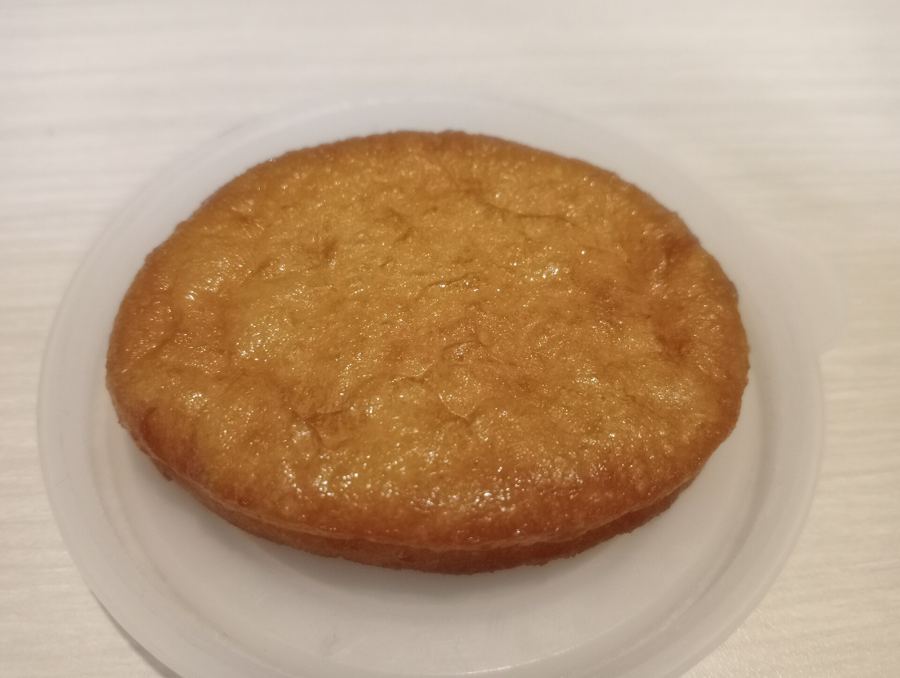
Importing frozen fish cake from Vietnam is less about finding a processor and more about agreeing on a specification that holds through storage, shipping and a retail freezer. Buyers who treat the first inquiry as a short email usually spend two extra weeks reworking samples. Buyers who send a clear brief tend to land their first container inside the quarter they planned. The two sections that matter most are the specification and the loading check. The rest is paperwork.
Start with a specific inquiry
A good inquiry tells the exporter four things. The product and target recipe reference (Korean odeng, Japanese kamaboko, Thai fish cake or your own formula). The portion size and shape. The volume per shipment and whether you want a shared or full reefer. The destination port and the delivery month. With those four lines in hand, the exporter can give a quote range inside a working day and a firm quote inside a week once samples and the spec sheet are agreed.
If you can also send a photograph of a competitor product you want to match, you have saved a week of guesswork. Weight, shape and crust colour are easier to copy from a picture than from words.
Samples: three rounds, not one
Fish cake is a seasoning product as much as a fish product. One sample round is rarely enough. The first round is a stock sample from the processor so you can taste a baseline and judge texture. The second is a trial run on your recipe or the reference you sent. The third is a pre-production sample from the actual lot that will fill the container.
The second and third rounds are chargeable, because the line stops to run them and because packing a small sample box eats time that would otherwise fill a pallet. Those fees are credited against the first order. Air freighting the sample is faster but costs more. For bulky items a seabound sample on an existing route is cheaper and often good enough, provided your test is about seasoning and shape rather than frozen storage stability.
Lock the specification in writing
Nothing else protects a first container like a tight spec sheet. The processor's default is designed for the processor's main market, not yours. A buyer who assumes their market's defaults will apply almost always ends up with a label dispute at destination.
| Spec field | Why it matters for fish cake |
|---|---|
| Fish and surimi content | Sets taste, bite and label claim. Must match local rules on the destination label. |
| Starch and binder content | Caps vary by market. Some retail chains set stricter limits than law. |
| Seasoning profile | Salt, sugar, chilli, umami. Written and tasted before production. |
| Shape and portion weight | Round, oval, stick, slice. Tight weight bands for retail. |
| Allergen declarations | Soy, wheat, egg, sesame, fish. Set per destination. |
| Freezing and glazing | Blast frozen, IQF or block, glaze percentage if applicable. |
| Microbiology and residues | Agreed limits with lab test on each production lot. |
Packing, labels and container plan
Packing is where retail wins or loses on the shelf. Decide the inner bag material and seal, the master carton size, the cartons per pallet, and whether pallets are export treated. For retail freezer sets, the inner bag needs to resist freezer burn and read well under store lighting. For food service, bulk polybags inside plain cartons are often enough.
Labels follow destination rules. Latin and common name of the fish, origin, net and gross weight after glaze, batch, best-before date, allergen declarations and the barcode. The processor prints a proof against your artwork. A printed proof signed off by both sides saves hours of correspondence after loading.
Production, QC and loading
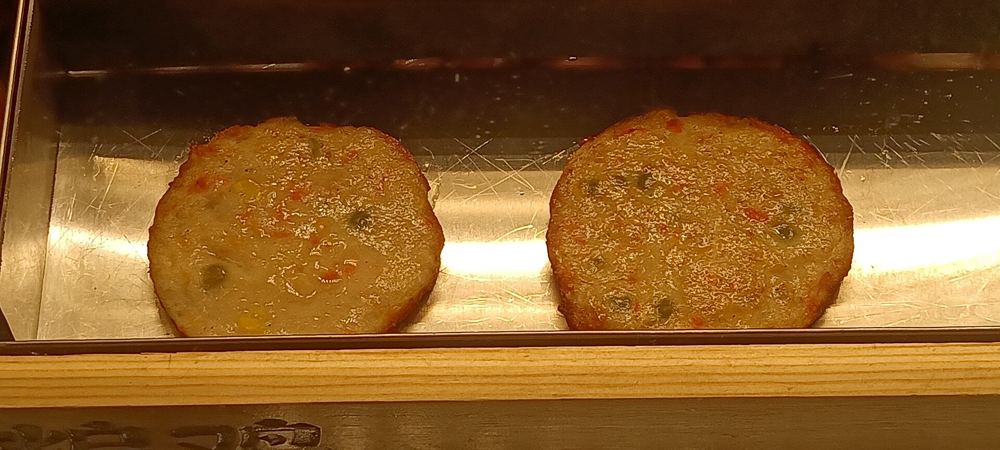
On the production day, the exporter's QC team checks weight, shape, core temperature and foreign objects on random samples from the line. Lab samples go to an accredited lab in Vietnam. Results sit in the file before the container is sealed. The reefer is pre-cooled before stuffing, and photographs of the loading go with the shipping papers. If something is off, this is where it is caught.
Documents and arrival
The export documents typically include a commercial invoice, a packing list, a bill of lading, a health certificate issued by the Vietnamese competent authority, a certificate of origin, and the laboratory analysis report for the lot. The reefer data logger goes with the container. On arrival, the port needs the health certificate, the invoice and the packing list first. The customs broker handles the submission. For specific requirements by country, check with your broker in the destination before placing the order.
Have a recipe and a destination port?
Share them with the quote request and we return a spec sheet and a sample plan inside a working day.
Ask for a quoteCommon first-time mistakes
The first mistake is skipping the sample rounds to save a few weeks. The second is agreeing to the processor's default spec because it looks close enough. The third is approving an artwork proof without printing it. The fourth is confirming a loading date that falls inside Vietnamese Lunar New Year without a built-in buffer. The fifth is forgetting to ask for a data logger. Each of these is an afternoon of work before loading and a month of complaints after.
FAQ
What is the smallest order of frozen fish cake I can import from Vietnam?
Most processors prefer a pallet set within a shared reefer, which can start at a few tonnes depending on the recipe and packing. A full 40 ft reefer holds roughly 24 to 27 tonnes net, and seafood items can share one container. The exact split is agreed per order.
How long is lead time for a first production run?
Lead time depends on recipe approval and packaging. A straightforward recipe on existing cartons runs faster than a new seasoning with new artwork. The written quote states a date range so your delivery window is realistic.
Does Vietnamese fish cake need import permits?
Most destinations treat frozen fish cake as a processed seafood product. Health certificates, catch and farm documents and standard customs papers are issued per shipment. For specific country rules, duties and permits, check with your customs broker in the destination country.
Can we test a sample before placing a container order?
Yes. We send stock samples first, then a recipe sample from the same processor, then a pre-production sample from the exact run that will fill the container. The second and third rounds are chargeable and credited against the first order.
How do you keep fish cake at -18°C to our port?
Fish cake is cooled after forming, then blast frozen, held in cold storage at the processor at -20°C or colder, and loaded into a pre-cooled reefer at a set point of -18°C. Core temperatures are checked on the first and last cartons and loading photos go with the shipping documents.
Can we put our own brand on the carton?
Yes. Fish cake ships in the importer's brand or in plain export cartons. The processor runs a printed proof against your artwork before the first master carton is produced, and the barcode is scanned by hand before approval.