
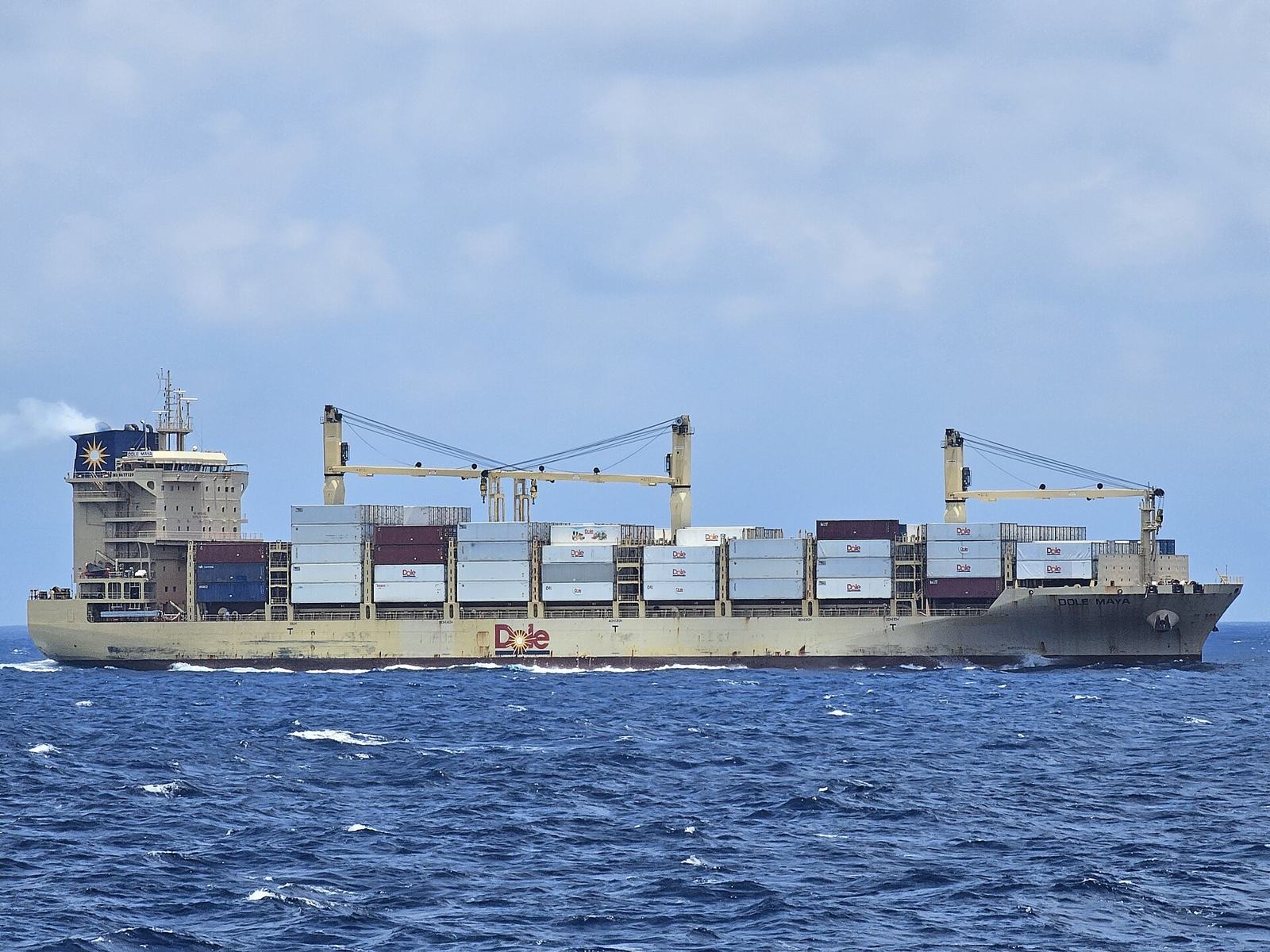
Reefer failures are rare but costly. A buyer whose container arrives warm will spend a month on claims and a season rebuilding trust with their customers. The checks that prevent that outcome are not glamorous. They are a short list of things to confirm at loading and arrival. This post is a plain checklist written by people who book the containers, not a technical paper on refrigeration.
Why -18°C and not colder or warmer
-18°C is the working set point for frozen seafood in global trade. At -18°C, enzymatic activity in fish muscle is slow enough that the product stays stable for months. Below -20°C the fish is more stable but running the reefer at that temperature consumes more fuel and sets a tighter margin on arrival. Above -15°C the fish softens, drip loss rises, and the texture after thaw suffers. The margin baked into -18°C handles short deviations without harming the cargo.
For products that need a tighter margin, such as premium surimi, the processor may hold at -20°C or colder in cold storage and set the reefer to -18°C. The spec sheet records the agreed temperature.
Before stuffing: processor and reefer
The container arrives at the processor pre-booked. The driver opens the doors and the processor team confirms the unit is empty, clean, dry and free of odour. The pre-cooling cycle runs. The thermometer at the discharge air probe shows the set point reached before stuffing begins. If the probe reads warm, the container is rejected and a replacement is called. This decision is faster to take at the yard than at destination.
At the same time, the cold storage at the processor has already brought the pallets to the loading dock on an insulated route. The cartons go from freezer to reefer in minutes rather than hours. The ambient temperature in the Mekong Delta is high all year, so every minute cartons sit on an unshaded dock costs margin.
On loading day: six checks
| Check | What to look at |
|---|---|
| Container condition | Walls, floor and door seals clean and dry. No damage, no odour. |
| Pre-cooling confirmed | Discharge air probe reads at or below -18°C before loading starts. |
| Core temperature on first cartons | Random cartons from the first pallet set probed to confirm -18°C core. |
| Loading pattern | Pallets strapped, airflow channel kept clear from floor to door. |
| Data logger placed | Logger activated and placed in the airflow zone, logged on the packing list. |
| Loading photographs | Photos of the empty container, the loaded container and the sealed doors. |
These six checks fit on one page. The exporter can hand it to the processor's loading team and ask for a copy back with signatures. In practice, the written record of these checks is what settles disputes months after the container arrives.

In transit: data logger and defrost
A reefer unit on a vessel runs defrost cycles automatically. On the data logger graph these appear as narrow spikes in the discharge air temperature, usually a few minutes long. They do not affect the core temperature of the cargo. What matters is whether the baseline between spikes stays near the set point. A long, slow drift upward signals a mechanical issue. A sudden flat line at ambient temperature signals a plug-off event, which is often documented in the carrier's plug-in history. The data logger graph and the plug-in history together tell the story.
On arrival: the five minute walkaround
At the port, the container moves to the devanning yard. Before the doors open fully, the data logger is retrieved and downloaded. The seal number is checked against the bill of lading. On opening, the inside walls are inspected for frost patterns. A hard rime on the floor suggests prolonged refrigeration. A thin layer of water or wet cartons on the inside near the doors suggests the container was off plug for a stretch. Core temperature is taken on random cartons at the back of the container. These five minutes save hours of guesswork later in the warehouse.
If something is wrong: evidence first
If the data logger shows a long excursion or the core temperature on arrival is warm, the next step is evidence rather than argument. Stop the devanning. Photograph the state of the cargo on the pallet. Pull samples for the lab. Tell the carrier in writing within the deadline their contract sets. The exporter contributes the loading photos, the pre-cooling record and the core temperature readings from Vietnam. Together these documents establish where the fault lies. The claim then runs on paper rather than on phone calls, and settlements are faster.
Want a loading checklist for your next shipment?
Tell us your product and destination port. We send a per-shipment checklist and a sample data logger plan.
Ask for a quoteFAQ
What temperature should a reefer for frozen seafood be set to?
Frozen seafood is typically shipped with a set point of -18°C. Some processors prefer -20°C for extra margin on long transits. The set point is agreed in the shipping instructions and recorded on the bill of lading.
Should the reefer be pre-cooled before stuffing?
Yes. The reefer is pre-cooled to the set point before cartons go in. Stuffing a warm container risks a temperature spike that pushes the surface of the cartons above -18°C. Pre-cooling plus a fast loading at the yard protects the core temperature.
Do we need a data logger inside the container?
A data logger is strongly advised for new buyers and long transits. The logger records the air temperature inside the container at set intervals and gives you an evidence trail if a dispute arises. Both single-use and reusable loggers are common.
What should we check on arrival?
Seals, container data download, visible frost or ice crystal patterns on the inside walls, and random core temperatures on the cartons from the back of the container. Any anomaly is photographed and reported before the container is fully devanned.
How often does the reefer defrost in transit?
Reefer units run defrost cycles automatically. The cycles cause small, short rises in air temperature that are normal and do not raise the core temperature of the cargo. The data logger graph shows these as narrow spikes.
What happens if the data logger shows a long temperature excursion?
A long excursion is a documentary basis for a claim against the carrier or the insurer. The exporter supplies the loading photos and the pre-cooling record, the carrier supplies the plug-in history, and the importer supplies the arrival checks. Together they establish where the excursion happened.