
The fish behind a retail fish cake is often invisible to the shopper, but the choice runs through everything else. It sets the cost per portion, the texture, the way the carton holds up on the shelf, the label claim, and how fast your supply chain can respond to a demand spike. For an importer evaluating pangasius against pollock or other whitefish, the useful comparison is not which fish is better in the abstract but which one fits the recipe and the market.
Why the comparison matters for a product team
Switching base fish is not neutral. A fish cake reformulated from pangasius to pollock will taste cleaner but cost more per kilo. A move the other way can push costs down while adding a note that the recipe has to balance with seasoning. The retail label changes too, and the retailer may want time to update the pack. Before any switch, a product team usually runs a bench test and a frozen storage test. The lab notes below reflect what the test typically shows for each species.
Short profiles
Pangasius
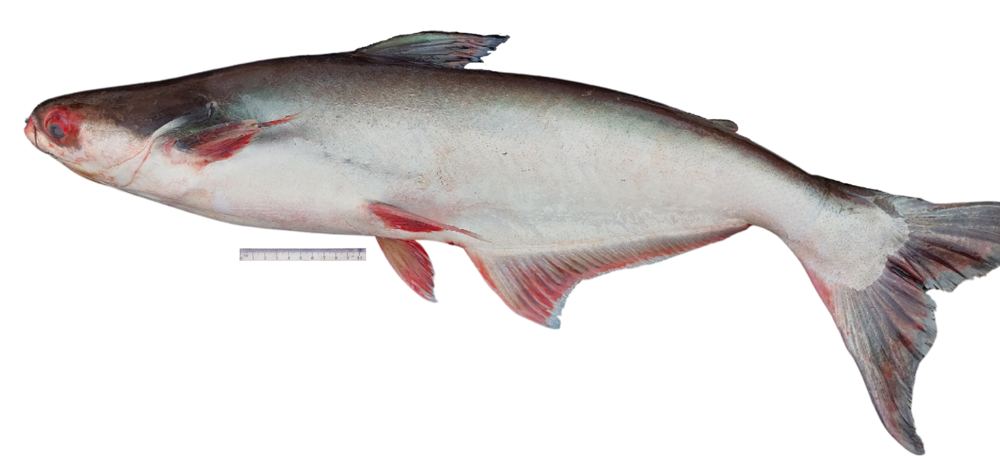
Freshwater catfish from the Mekong Delta. Farmed year round. Pale, mild, low in oil. Fillet trims cleanly. Takes seasoning well. Price per tonne has usually been among the lowest for a whitefish. Supply is predictable because the fish is cultured rather than caught, though feed costs and weather can nudge the market.
Pollock
Wild cod-family fish from the North Pacific. The reference species for surimi because its paste gives a very firm gel. Clean flavour. Harvested in seasons, so supply has peaks and troughs. Priced higher than pangasius. Carton labels referencing wild Alaska pollock carry weight with some retailers.
Hake
Related to cod. Caught in several oceans. Softer bite than pollock. Flavour is mild but a touch more fishy. Price sits between pangasius and pollock in many markets. Useful in blends.
Hoki
Southern hemisphere whitefish, often from New Zealand. Mild and pale, with a soft texture. Good for breaded portions. Supply is seasonal and tightly managed by fisheries authorities.
Tilapia
Farmed warm-water fish. Mild and pale, slightly stronger flavour than pangasius. Priced similarly in many markets. Different label positioning for retailers that favour tilapia over catfish.
Side-by-side
| Species | Flavour | Gel strength for surimi | Supply | Typical cost | Common use |
|---|---|---|---|---|---|
| Pangasius | Very mild | Mid, grade dependent | Farmed, year round | Low | Fish cake, breaded, ready meals |
| Pollock | Mild and clean | High, reference species | Wild, seasonal | Higher | Premium kamaboko, crabsticks |
| Hake | Mild, slightly stronger | Mid | Wild, variable | Mid | Blends, fish cake |
| Hoki | Mild, soft | Mid | Wild, seasonal | Mid to high | Breaded, fish cake |
| Tilapia | Mild, a touch stronger | Mid | Farmed, year round | Low to mid | Fish cake, retail portions |
Numbers behind the words move with season and lane. The lab result on your sample, not the table, is the figure that matters at the end of the day. Treat this as a map, not a scale.
Which fish for fish cake
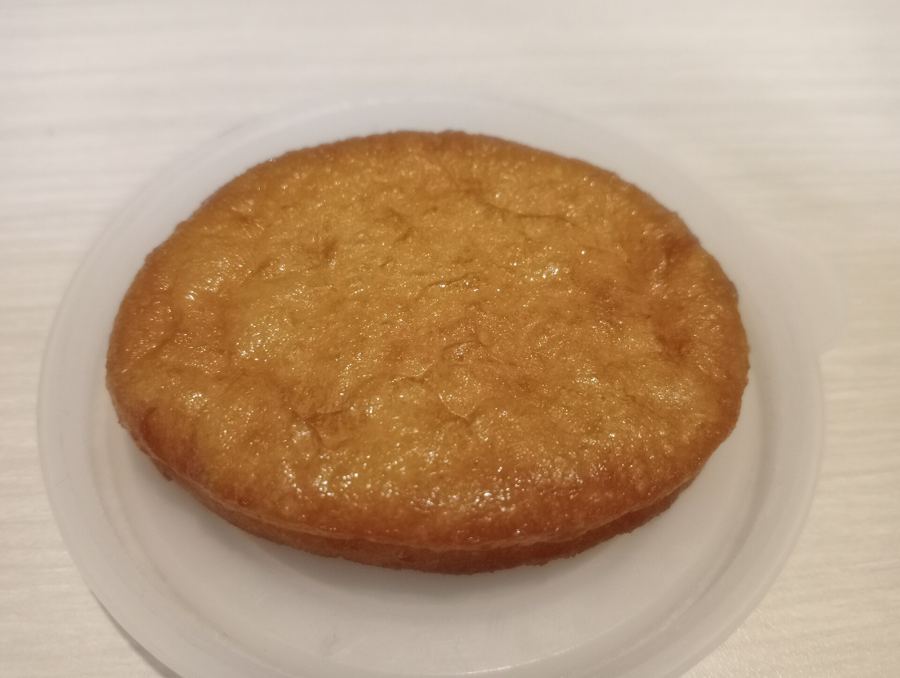
Fish cake is a seasoning product. The base fish disappears into the recipe, so the first choice for most retail fish cakes is the one that fits the price point. Pangasius wins on this ground in many markets because the per-portion cost leaves room for the recipe and the packaging without stretching the retail shelf price. Pollock or hake can be added to the recipe when the label needs a wild whitefish name or when a bigger bite is wanted. For a premium kamaboko the base is still pollock in most product sheets, but even there pangasius can appear in a secondary line.
Which fish for surimi
Surimi is a different conversation. Here the base fish matters more because the paste is the product. For top-tier kamaboko with a very firm, snappy bite, pollock surimi remains the reference and the price reflects it. For fish cake, fish balls and ready meals, pangasius surimi often meets the target at a lower cost. The gel strength the processor targets is set in the spec sheet, and the lab verifies each production lot. For a view of the grades produced in Vietnam, see the Vietnam surimi exporter guide. For the pangasius side of the question, the pangasius exporter Vietnam pillar covers forms, specs and loading.
Blends and label strategy
Many retail fish cakes and fish balls use a blend. The two common patterns are a pangasius base with a pollock or hake addition for bite and label, and a tilapia-pangasius blend for farmed-only ranges. The blend ratio is a trade between cost, texture and label. Destination labelling rules shape what can be written on the pack. On a label that lists species by proportion, the base fish must come first. Retailers may also ask that farmed fish is named with its origin, which pangasius from the Mekong satisfies.
Want a bench test with pangasius surimi against your current base?
Share the recipe and the gel target. We send a sample set and the lab notes for comparison.
Ask for a quoteFAQ
Is pangasius a true whitefish?
Pangasius is a freshwater catfish from the Mekong. Its fillet is pale, mild and low in oil, which puts it in the broad commercial whitefish category used for fish cake, breaded products and ready meals. In formal fisheries terms some retailers group it separately from marine whitefish, so the retail label follows the destination rules.
Does pangasius surimi give the same gel strength as pollock surimi?
Pangasius surimi can be produced in grades that work for many fish cake and fish ball applications. For a top-grade kamaboko with a very firm bite, pollock surimi is still the reference. For mid-tier fish cake and processed products, pangasius surimi often meets the gel strength target at a lower cost.
Which fish is cheapest per tonne, delivered to Asia?
Delivered cost swings with season, lane and processor. Pangasius has usually been one of the most affordable whitefish per tonne because it is farmed year round in the Mekong. The current price range for your market and volume is confirmed in the quote.
How does pangasius hold up in freezing and thawing?
Pangasius freezes well. Blast frozen fillets and portions keep a pale colour and a mild flavour through long cold storage at -18°C. For retail breaded portions, pangasius holds its shape through fry, bake and air-fry reheat.
Are there supply risks with pangasius?
Pangasius is farmed, which smooths out the catch-season risk that marine whitefish faces. Supply still shifts with feed costs, weather in the Delta and the production calendar around the Lunar New Year. Lead time is confirmed with the quote.
Can we blend pangasius with other species in a fish cake?
Yes. Many retail fish cakes use a blend. Pangasius is often the base species because it is affordable and takes seasoning well. Pollock or hake can be added for bite and label appeal. The blend ratio is set in the recipe and matched to the destination's labelling rules.