
- Who writes this page and why pangasius
- Product forms a pangasius exporter in Vietnam will quote
- The specification sheet, plain and complete
- -18°C from the Mekong to your port
- Private label, recipe and sampling
- EU, Australia and other Asian markets
- Volumes, mixed containers and lead time
- How to choose a frozen pangasius supplier in Vietnam
- Frequently asked questions
Who writes this page and why pangasius
FROKO18 is the frozen food line of HMD Strategy & Export Co., Ltd, an export company in the Mekong Delta. We are not a factory. We work with export-registered processors in Vietnam and act as one contact for the shipment: specification, samples, loading photos, documents and the follow-up after arrival. The role of a pangasius exporter in Vietnam is to speak the processor's language on your behalf and to put a tonne or a container on the water without surprises.
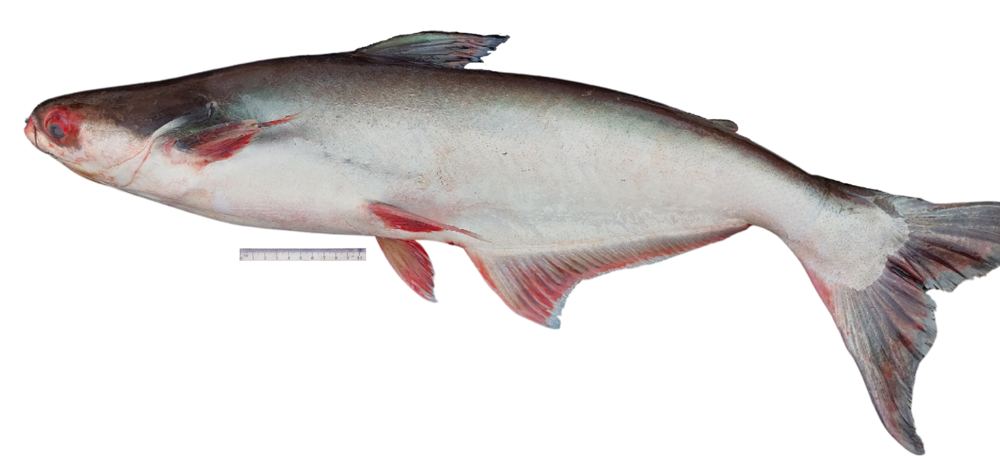
Pangasius, often sold as basa or tra, is a freshwater catfish farmed along the Mekong. It is pale, mild, boneless after processing, and consistent across seasons. For buyers in Asia, the European Union and Australia it is the whitefish that fills the gap between higher-priced ocean fish and lower-grade processed blocks. It takes seasoning, it holds its shape when breaded, and when it is reduced to surimi it becomes the base for fish cake, fish balls and ready meals in markets from Seoul to Sydney.
This page is a working guide, not a brochure. If you need numbers that only sit on a specification sheet, such as moisture content, net weight after glaze, or heavy metal limits, those are shared with the quote so the figures match your order rather than a page.
Product forms a pangasius exporter in Vietnam will quote
Most importers buy pangasius in one of six forms. The right one depends on what you do with it after the container is cleared.
| Form | Typical use | What is set per order |
|---|---|---|
| Skinless, boneless fillet, IQF | Retail freezer and food service portions | Weight band, trim, glaze percentage |
| Skinless, boneless fillet, block | Further processing by the importer | Block weight, interleaving, moisture |
| Portions and strips, IQF | Food service grill, fry and bake lines | Portion weight, cut shape, breading-ready |
| Battered or breaded pieces, IQF | Retail freezer and quick service kitchens | Coating recipe, portion weight, par-fry |
| Pangasius for surimi | Fish cake, fish balls and ready meals | Grade, gel strength, additive declaration |
| Finished fish cake | Retail and food service in the importer's taste | Seasoning, shape, size, packing |
Breaded pangasius is often the item new buyers reach for first because the coating protects the fillet during long storage. The coating also hides small weight differences, so an importer with a tight retail price point can set a portion weight and let the breading do the final grams. A breaded pangasius supplier works to the importer's crumb recipe. Panko, cracker meal and tempura batter all run on the same line, but each needs its own trial before the production run.
Fish cake and surimi are a separate conversation and are covered in the two companion guides linked at the end of this page.
The specification sheet, plain and complete
A quote is only as useful as the specification sheet attached to it. Before a container is loaded, the importer and the exporter must agree on the following items in writing. If any of them is missing, the processor will fill the gap with their own default, and the default rarely matches a retail label.
| Field on the spec sheet | Why it matters |
|---|---|
| Fillet grade and colour | Pangasius is sold as white, pink or well-trimmed. The colour sets the price and the use. |
| Weight band | Common bands are 120 to 170 g, 170 to 220 g and 220 g up. Retail prefers a tight band. |
| Trim level | Standard, well-trimmed or deep-skinned. Deep-skinned leaves no red meat. |
| Glaze percentage | Glaze is water added for protection. Net weight after glaze must match the label. |
| Moisture content | Caps on added water, if any, agreed per market. |
| Microbiology and heavy metals | Limits on bacteria, mercury, cadmium and lead agreed per market. |
| Packing | Inner bag, master carton, cartons per pallet, pallet type. |
| Labelling | Latin and common name, origin, net and gross weight, batch, best-before, barcode. |
| Freezing method | Blast or plate frozen. IQF for retail portions. |
Lab results on the first production run go with the quote. On production, a second set of lab results covers the actual lot. Keeping both on file means a customs query at destination is answered within a working day rather than a week.
-18°C from the Mekong to your port
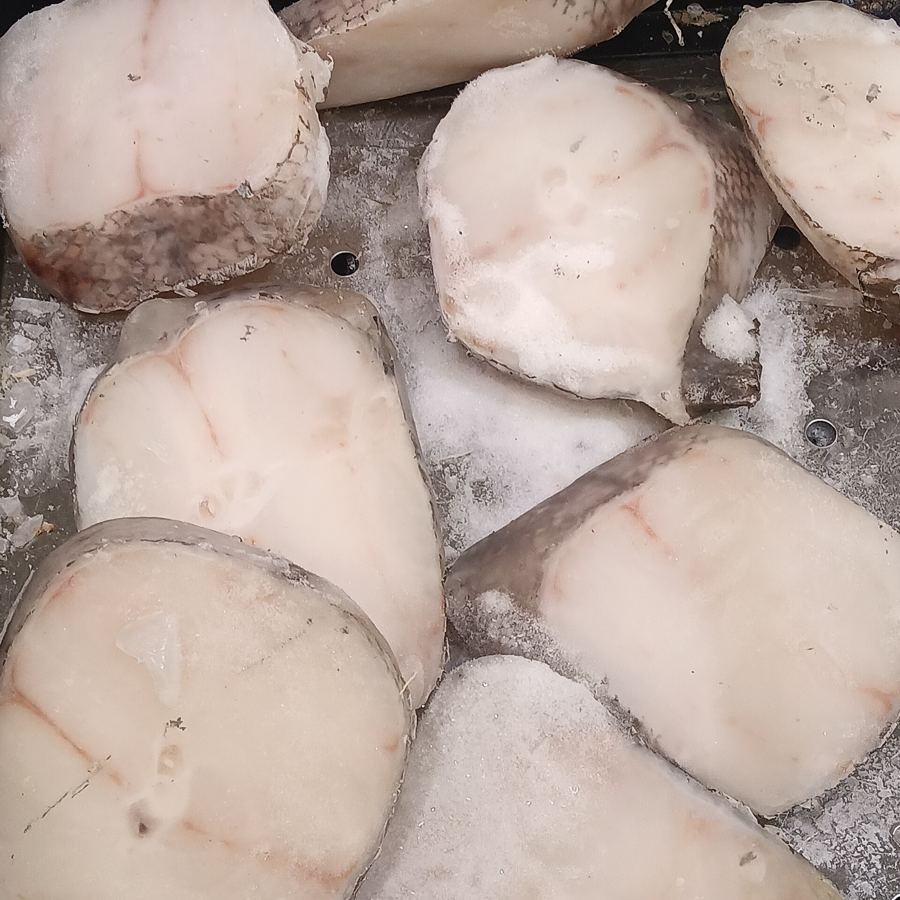
The number in our name is a working temperature, not a slogan. Pangasius is blast frozen soon after filleting, held in processor cold storage at -20°C or colder, and loaded into a reefer container at a set point of -18°C. The container is pre-cooled before stuffing, the core temperature of the first and last cartons is checked, and photographs of the loading go with the shipping documents. If the container deviates from -18°C in transit, the data logger shows it and the importer has a basis for a claim.
Shipping lanes matter. A direct line to Hamburg or Rotterdam is predictable. A transshipment through a hot port adds reefer power transfers, which is where temperature spikes creep in. If your port is a secondary one with a transfer, we flag the lane at quote stage and recommend either a direct option or a longer transit on a vessel that keeps the plug cold.
Private label, recipe and sampling
Most of our pangasius ships under the importer's own brand. The exporter's job is to make the processor's output match that brand. In practice this means three rounds of samples. The first is a stock sample from the processor so you can taste a baseline. The second is a trial on your recipe or coating. The third is a pre-production sample from the exact run that will fill the container. The second and third rounds are chargeable, because the line stops for them, and the fees are credited against the first order.
Packaging artwork is a separate thread. The exporter sends the processor's cutter guide and material options, the importer sends the artwork, and a printed proof is signed off before the first master carton is run. Barcodes are tested on a hand scanner before approval.
Fish cake, surimi and breaded pangasius share this process. A buyer who treats the recipe as a trade secret can share the formulation under a mutual non-disclosure agreement. The processor name is not disclosed on the carton or on this page, and processor identity on the quote is shared under the same agreement.
EU, Australia and other Asian markets
Vietnam exports pangasius to more than a hundred countries, so the destination usually sets the specification rather than the other way round. A few general notes follow. For the exact rules on duties, labelling, allergen declarations and import permits, check with your customs broker in the destination country before placing the order.
European Union
Facilities that ship to the EU are listed by the Vietnamese competent authority and recognised by the EU. The label must carry the Latin name, the method of production, origin, and standard allergen declarations. Health certificates are issued per shipment. Importers often ask for well-trimmed fillets and a tight weight band for retail freezer sets.
Australia
Pangasius imports to Australia go through the Department of Agriculture, Fisheries and Forestry. Heat treatment conditions and documentation requirements are set case by case. Importers typically ask for lab results on heavy metals and residues at order confirmation.
Other Asian markets
Japan, South Korea and Taiwan import pangasius for food service and processing. Korean buyers often ask for breaded and portioned forms for retail. Japanese buyers lean toward pangasius for surimi and ready meals. Taiwan uses pangasius both in fish cake and in frozen meal kits. The container share for a smaller buyer in these markets is common.
Pangasius spec sheet or sample for your market
Tell us the product, weight band and destination port. We reply within one working day, Vietnam time.
Ask for a quoteVolumes, mixed containers and lead time
Most processors prefer a full 40 ft reefer, which is about 24 to 27 tonnes net depending on glaze and packing. A mid-size importer who needs less can split a container across two or three seafood items. In practice this means fish cake on one pallet set, surimi on another, breaded pangasius or fillets on a third. Durian ships in its own container because the smell carries, so if a buyer wants fruit and seafood together, we quote them separately.
Lead time depends on the item and the season. Fillets and simple portions run faster than items that need a new coating or new artwork. Chinese New Year, Ramadan and the Vietnamese Lunar New Year slow production for a few weeks each, so an order placed close to those dates needs a longer window.
| Item | Typical container share | Lead time note |
|---|---|---|
| Frozen pangasius fillet, IQF | Full container or large share | Standard |
| Pangasius portions and strips | Share or full | Standard |
| Breaded pangasius | Share or full | Longer for new coating recipe |
| Pangasius surimi | Share or full | Standard |
| Fish cake | Share | Longer for new recipe and new artwork |
How to choose a frozen pangasius supplier in Vietnam
Buyers who have shipped frozen before know the checklist. Buyers who have not often learn the hard way. The short version is this. Ask for the processor's export registration number in the markets you ship to. Ask for lab results on a recent production run, not on a sample made for show. Ask for photographs of the processor's cold storage and of a recent loading. Ask what happens if a customs inspection at destination finds a weight short, a label error or a temperature spike. The answer to the last question tells you more than any brochure.
A good frozen pangasius supplier in Vietnam will put the answers in writing before the order. A less careful one will promise them verbally and then renegotiate when a problem arrives. The paperwork is slow but it is also the only thing that moves a claim forward if the shipment goes wrong.
Frequently asked questions
What is the smallest order a Vietnam pangasius exporter will take?
For frozen pangasius fillets most processors prefer a full 40 ft reefer, around 24 to 27 tonnes net. A mid-size importer who needs less can share a container with other seafood items such as fish cake, surimi and breaded pangasius. The exact split is agreed per order.
Can you make pangasius to our own recipe or brand?
Yes. Fish cake, breaded portions and surimi-based items are made to the importer's recipe, shape, size and coating. Packing is in the importer's brand or in plain export cartons. Sample weights, lab results and photos of the production run are shared with the quote and before loading.
How is pangasius kept at -18 degrees from processor to port?
Blast freezing after processing, cold storage at the processor at -20 degrees or colder, and reefer loading with the set point at -18 degrees. The container is pre-cooled before stuffing, core temperature is checked, and loading photos go with the shipping documents. Degree variations depend on the processor and are stated in the specification.
Do you ship pangasius to the European Union and Australia?
Yes. We work with export-registered processors whose facilities are listed for the markets they ship to. For specific country requirements, duties, labelling and import permits, check with your customs broker before placing the order. The documents your port needs are prepared for every shipment.
What product forms of pangasius can we buy?
Common forms are skinless boneless fillets (IQF or block), portions and strips, breaded or battered pieces, and pangasius surimi as a base for fish cake and fish balls. Fish cake itself is finished to the importer's seasoning. Fillet grade, trim and glazing are agreed per order.
How long does production take once we confirm an order?
Lead time depends on the item and season. Fillets and simple portions can be shorter than items that need a custom recipe and new packaging artwork. The lead time is confirmed in writing with the quote so your delivery window stays realistic.