If you are looking for a frozen fish cake supplier in Vietnam, you want three things in one place. A base fish you trust. A workshop that will match the flavour, shape and bite your market expects. And a cold chain that keeps the product at -18°C from the processor all the way to your port. This page explains how FROKO18 does that work, what you need to send us before we can quote, what the fish cake coming out of our containers usually looks like, and what we do not pretend to know.
FROKO18 is the frozen food line of HMD Strategy & Export Co., Ltd. We are an export company based in the Mekong Delta, not a factory. We work with export-registered processors in the delta, set the recipe with you, run quality checks on our side, and move the cargo. If you want our home page first, it is at froko18.com. If you are also comparing Vietnamese surimi exporters, that page sits next to this one and is linked throughout.
On this page
- What a Vietnamese fish cake actually is
- Why pangasius is the base
- Flavour profiles by market
- Shapes, sizes and portions
- Private label and OEM, what you choose
- Packing, cartons and pallets
- Standard specification table
- Mixed seafood containers for small buyers
- Cold chain from processor to port
- From first email to first container
- Documents, lab tests and what we do not claim
- Frequently asked questions
What a Vietnamese fish cake actually is
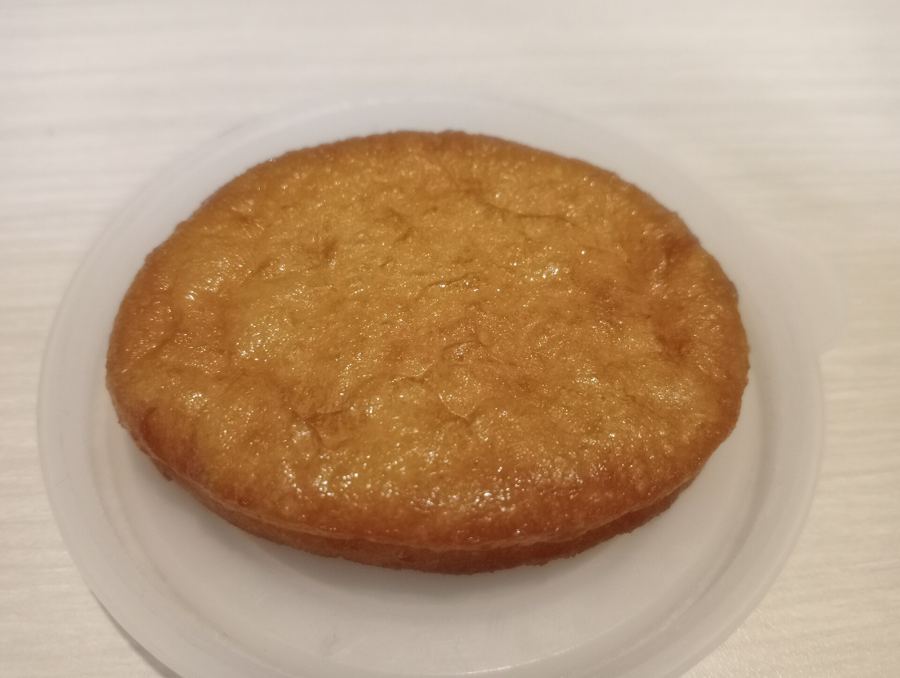
Fish cake is a shaped product made from minced white fish, binders and seasoning. The mince is worked with salt until it holds, then starch, egg white or sometimes vegetable protein is folded in. The paste is formed into cakes, patties, balls, slices or longer logs, cooked or part cooked by steaming, frying or searing, then individually quick frozen and packed. In Vietnamese kitchens the base is often pangasius or basa. In Korean and Japanese fish cake, the base is usually a surimi paste made from white fish, which gives the familiar springy bite. In Thai, Chinese and Southeast Asian styles the mince can be left slightly coarser for a meatier texture.
What matters for an importer is simple. The fish cake has to taste the way your market expects, the bite has to be right, the piece size has to fit your retail or food service pack, and the frozen product has to come out of the box looking the same way the sample looked. The flavour, the texture and the look are three things we fix with you before any production run starts.
Why pangasius is the base fish
Pangasius, farmed in the Mekong Delta, is a mild, white, low fat fish. It takes seasoning well, holds its shape through blast freezing, and does not fight back when you add a flavour profile. It is also one of the most available export-registered white fish from Vietnam, which keeps the specification stable from one month to the next. For importers that is useful. If you are selling fish cake into retail, you want the pack in week forty-eight to taste the same as the pack in week six.
Pangasius also plays well in mixed white fish blends. When a recipe asks for a cleaner, firmer bite, the processor can mix pangasius mince with a surimi base, with the mix set to a ratio you agree. We are happy to walk through what each ratio tends to deliver before the first sample. For a longer look at surimi itself, see our surimi exporter Vietnam page.
Flavour profiles by market
Fish cake is one of the products where market taste varies the most. We will not pretend one recipe fits every importer, so we work from your reference first. If you have a sample from your home market, send it. If you have a competing product from the shelf you want us to beat, send that. If you only have a written recipe, that works too.
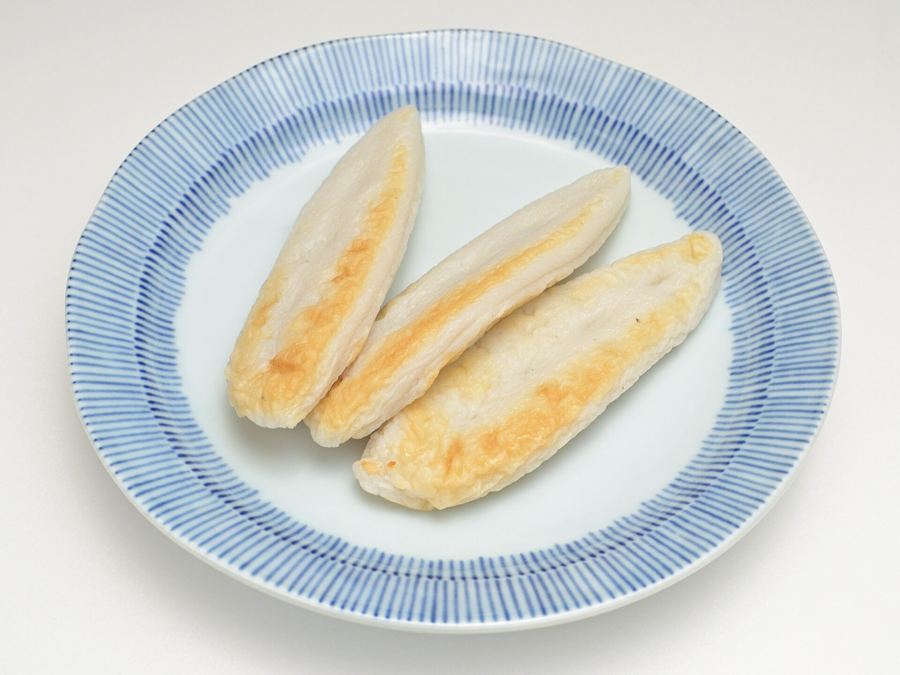
Fish cake can be made as Korean style eomuk sheets and skewers, Japanese style kamaboko blocks and chikuwa, Thai style tod mun fried patties, Chinese style fish balls and sliced fish cake, and Western style breaded fish cakes for retail freezers in Europe and Australia. Each one asks for a different mince grind, a different seasoning line, a different cook step and a different piece size. The common ground is pangasius as the base and -18°C from processor to port. Everything above that is set per order.
If you want a plainer product, with little seasoning, as a raw material for a factory doing its own cooking, we can supply that too. In that case the specification focuses on the mince grade, the moisture, the fat, the salt and the piece size, and the flavour conversation moves to one about ingredient control.
Shapes, sizes and portions
Shape is where buyers often spend the most time on the first call. For retail, portion weight and piece count per pack decide shelf price and how the pack reads to a shopper. For food service, piece weight and bite size decide cook time and plate cost. For further processing, the piece size has to match the next machine in your line. We handle all three uses, and we set the moulds and portioning accordingly.
Common formats include small round patties around twenty grams for soup and stir fry, flat squares of thirty to forty grams for Korean skewers and fried rice toppings, longer logs of around a hundred grams for slicing by the end user, half rounds and crescents for noodle soup, and larger breaded rectangles for retail freezer boxes. If your form is unusual, bring a photo and the target weight. We will tell you honestly whether the mould exists and what the lead time looks like if it does not.
Private label and OEM, what you choose and what we handle
Most of our fish cake volume ships as pangasius fish cake private label, under the importer's own brand. A smaller share ships as plain export cartons for food service or further processing. On a private label order you choose the brand name, the artwork, the languages on the pack, the regulatory text your country asks for, the barcodes and the shelf dates. You send us print-ready files or a brief we send to a design partner. We handle the print proof approval with you, the pack lamination match, the pre-production carton check and the labelling line audit before production starts.
On a Vietnamese fish cake OEM order, where you want your own formulation rather than one of our reference recipes, the work also includes a short recipe handover. You tell us the exact ingredient list, allergen declarations and process steps you want kept confidential, and we agree the information flow with the processor under NDA before any sample is produced. We do not publish processor names on the website. They are shared with the quote once we have a serious enquiry.
Packing, cartons and pallets
Pack formats follow the end use. Retail packs are usually small polybags or printed cartons of two hundred grams to one kilogram, master cartons of six to twelve retail packs. Food service packs are usually loose IQF in two to five kilogram inner bags, four to six inner bags per master carton. Further processing packs are usually ten kilogram bulk cartons or block pack formats agreed per order.
Pallet layout, carton labels and master label text are set to your port's expectations. We confirm the carton code, lot number, best before date, net weight and country of origin on each master carton with you before production. We also agree the pallet height, the stretch wrap plan and whether you want corner boards. If your port has a specific wood packaging rule, flag it in the first email so we can plan the pallet type from day one.
Standard specification table
The table below is a starting point for first conversations. Every row is set with you per order. Treat it as a check list, not a locked specification.
| Field | Typical range | Who sets it |
|---|---|---|
| Base fish | Pangasius from the Mekong Delta, optional surimi blend | Agreed per order |
| Mince grind | Fine for springy bite, medium for meatier bite | You, with our advice |
| Fat content | Depends on recipe and binder | Agreed per order |
| Added starch and binder | Within what your market allows | You, check with your broker |
| Flavour profile | Korean, Japanese, Thai, Chinese, Western or your own | You |
| Form | Patty, ball, log, sheet, skewer, breaded piece | You |
| Piece weight | From around 10 g to around 200 g | You |
| Freezing | IQF, individually quick frozen, kept at -18°C or colder | Us and the processor |
| Packing | Retail, food service or bulk, your artwork or plain | You |
| Master carton | Agreed per order, usually 5 to 10 kg net | You |
| Shelf life | Set after the recipe is fixed and tested | Lab, shared with the quote |
| Minimum order | Agreed per order, mixed container possible | Us and you |
Mixed seafood containers for small and mid-size buyers
Many small and mid-size importers need two or three tonnes of fish cake, two of surimi and a few of breaded pangasius. One full reefer container of a single item would sit on their cold storage floor for months. We solve that by loading several seafood items in one reefer, all held at -18°C. Fish cake, surimi and breaded pangasius load together without trouble. Durian ships in its own container, because the smell carries into other cargo. Frozen fruit and vegetables can also ride along with seafood if the inner packing is right. The loading plan is agreed before we book the slot, so you know what goes where and the weight distribution matches the destination's rules.
Cold chain from processor to port
-18°C is the number in our name because it is the number we hold. The product is blast frozen at the processor, moved into cold storage at -18°C or colder, loaded in a reefer container pre-cooled to the agreed set point, and the temperature is logged on the container unit through the voyage. Core temperature on the product is checked before loading. Loading photos are taken, which show the carton stacks, the pallet pattern, the temperature strip and the container number. The photos are sent to you with the shipping documents.
If the cold chain is broken at any point we tell you before the container leaves Vietnam. We would rather delay a shipment and reproduce than ship a doubtful lot. Any variance from the agreed temperature is written up with a short note so your QC team can decide what to do. This is the part of the work that quietly saves a lot of claims later.
From first email to first container
A straight first project usually runs like this. Day one, you email us or send a WhatsApp message with your product, flavour, piece size, packing idea, target volume, destination port and target month. Within one working day Vietnam time, we reply with a short questionnaire for the gaps and ask for your reference sample. Over the next couple of weeks we align the recipe with the processor and send a first sample batch. You taste, you fry or steam, you check the bite, and you send back notes. We iterate the sample once or twice if needed. Once the sample is approved, we lock the specification, agree the artwork, the carton and the loading plan, and schedule the production slot. Production and QC are then followed with weekly updates. Loading happens on the agreed day, we send loading photos and documents, and the container moves.
None of this needs you to fly to Vietnam, although you are welcome to visit any time. We handle the production floor conversations and translate the processor's notes into English for you.
Documents, lab tests and what we do not claim
Documents shipped with each order usually include the commercial invoice, packing list, bill of lading, certificate of origin, health certificate issued by the Vietnamese authority and the catch or farm declaration where your port asks for it. Lab results for the agreed specification are shared with the quote and refreshed per production run. Processor certifications and export registration are checked by us during supplier selection and shared with the quote under NDA.
Two things we will not do. We will not quote a price on the website, because price depends on specification and volume and we would rather give you an accurate one in writing. We will not list certifications or capacities on the website that we have not personally confirmed on the current processor list, because the processor list changes and old numbers mislead buyers. For the destination side, we also do not pretend to know every rule your customs applies. On ingredient additives, on labelling text and on documentation your port requires, check with your customs broker and your in-country food safety agency. We will provide what Vietnam has to issue, and we will match your spec, but the destination compliance call is yours.
Frequently asked questions
What is a frozen fish cake supplier in Vietnam actually selling?
A shaped product made from minced white fish, usually with starch, egg white and seasoning, cooked or part-cooked, then individually quick frozen and packed. FROKO18 uses pangasius from the Mekong Delta as the base fish and sets the recipe with you.
Can you make fish cake to our own recipe and brand?
Yes. You send a sample or a reference recipe with the flavour, shape and size you want. We work with export-registered processors in the Mekong Delta to match it, pack under your brand or in plain cartons, and send samples before you commit.
What is the minimum order for Vietnamese fish cake?
Minimum order is agreed per order and depends on the recipe, packing and whether the container is loaded with fish cake alone or shared with other seafood items. A few tonnes of fish cake can be loaded together with surimi or breaded pangasius for small and mid-size importers.
Which markets does FROKO18 ship fish cake to?
We aim to serve importers and distributors in Asia, the European Union and Australia. The flavour profile and packing follow each market, from Korean and Japanese style surimi-based fish cake to Western style breaded fish cake.
How is the cold chain kept at -18°C?
Finished product is blast frozen at the processor, held at -18°C in cold storage, loaded in a reefer container set to -18°C or colder, and we share core temperature readings and loading photos with the shipping documents. Any variance from the agreed temperature is reported to you before departure.
Do you share lab results and certificates with the quote?
Yes. The quote comes with the processor's export registration details, lab results for the specification agreed with you, and the loading plan. Certificates and processor names are shared under NDA during the quote. Check with your customs broker on any additional document your destination requires.
Also compare with surimi
Fish cake and surimi are often confused and often shipped together. Our companion page explains where surimi sits in the chain and when it makes sense to buy the base paste rather than the finished cake. See Surimi exporter Vietnam: pangasius surimi, block frozen, private label.
Ready to spec a fish cake order?
Tell us your product, flavour, size, packing, volume and destination port. We reply within one working day, Vietnam time.
Ask for specs and a quote