
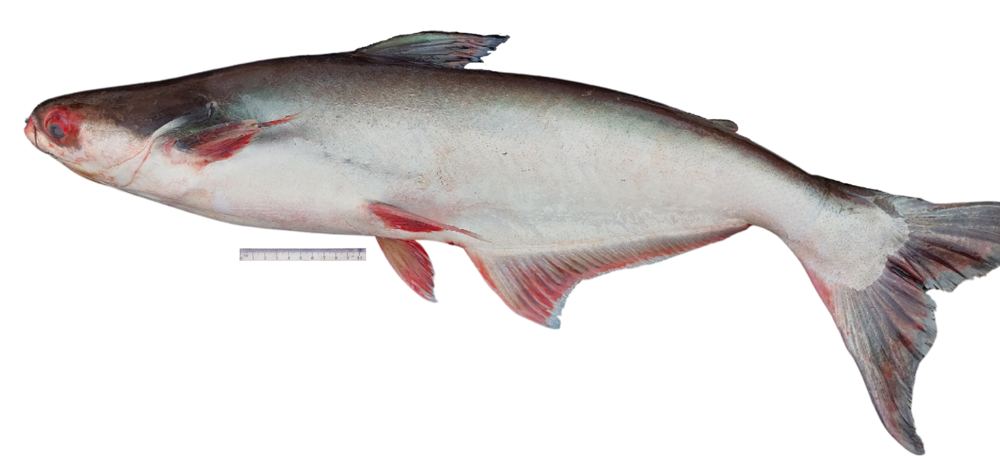
Buyers moving into frozen whitefish for the first time run into three names fast: pangasius, tilapia and basa. The three sit in the same part of a menu and share many of the same uses. They are not the same fish, and the differences matter for anyone writing a specification sheet or planning a container. This article walks through what each one is, how they compare on the plate and on the processing line, and when a programme is better served by one than the other. For the pangasius side specifically, see pangasius exporter Vietnam.
Species identity: basa, pangasius, tilapia
Pangasius is a family of freshwater catfish native to South-East Asia, farmed almost entirely in the Mekong Delta of Vietnam. The two commercial species are Pangasianodon hypophthalmus and Pangasius bocourti. Hypophthalmus is the one most retail shelves and foodservice lines actually sell. Bocourti is the one more often sold under the trade name basa.
Basa is a trade name more than a separate fish for most practical purposes. In the United States and Australia the word basa still appears on retail labels, often on fillet from Pangasius bocourti but at times on hypophthalmus too. Regulators in several markets have tightened the use of the name over the years. When a supplier says basa, ask which species it is and in which market the fillet will be sold; writing the Latin name into the specification sheet keeps the shelf label consistent with the fish inside the pack.
Tilapia is a different family, Oreochromis, and most imports to Western markets are Oreochromis niloticus, the Nile tilapia. Tilapia is farmed in China, Indonesia, Egypt, Honduras, Costa Rica and several African markets. In Vietnam tilapia is farmed too, but the main freshwater fillet export is pangasius. If a Vietnamese exporter is quoting tilapia, they are usually working through a sister processor or a different sourcing chain.
Fillet size and yield
Pangasius fillet sizes typically run from a 170/220 g band for retail portions up to a 500 g-plus band for foodservice and HORECA. The flesh is pale white or pink depending on diet and processing. The fillet is long and narrow with a well-defined belly flap, which the processor trims to a buyer's chosen style, from untrimmed through well-trimmed to deep-skinned.
Tilapia fillet sizes run smaller as a rule. A common foodservice tilapia fillet is 90/120 g or 120/170 g. The fillet is shorter and wider than pangasius, the flesh is firm and holds shape on the plate, and yield on a tilapia whole-fish is typically lower than on a pangasius whole-fish. Basa in the sense of a bocourti fillet sits close to pangasius hypophthalmus for size and shape, with a slightly whiter flesh and a touch firmer bite that some chefs prefer for a plated dish.
Taste and texture
All three are mild whitefish, which is why they share a menu slot. The differences are small but real. Pangasius has a mild sweet flavour and a soft, flaky texture. It takes seasoning easily, which is why so many breaded, battered and sauced dishes end up with pangasius inside. A well-run cold chain delivers a clean fillet with no off-note. Tilapia has a firmer bite than pangasius and a slightly more neutral flavour. It holds shape in a dry heat cook better than pangasius does, which makes it a better fit for a grill or a bake where the piece needs to arrive whole on the plate. Basa (bocourti) sits in flavour and texture close to pangasius hypophthalmus but with a slightly firmer feel in the mouth.
Farming and water
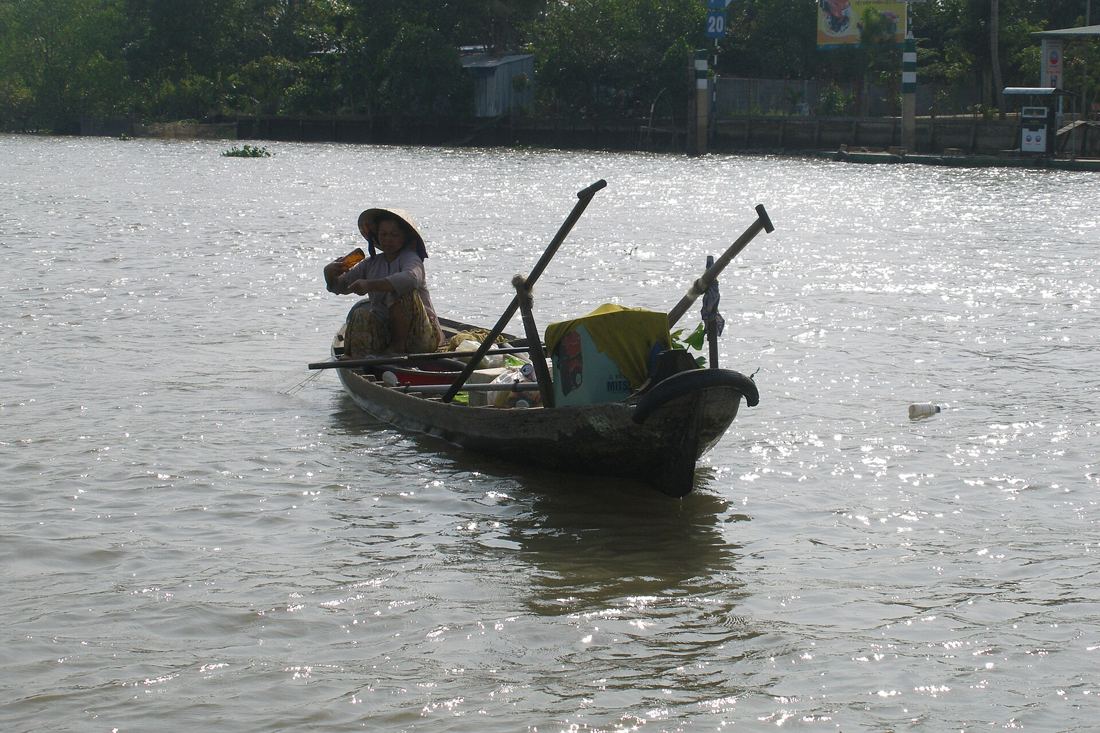
Pangasius is farmed in large freshwater ponds along the Mekong, with a smaller share raised in cages on the river itself. Standards for feed, water and veterinary input are set by Vietnamese agencies and verified against international schemes. Most export pangasius comes from certified farms, with the certification details documented in the shipping file; the specific certifications a buyer needs depend on the destination retailer or importer. Tilapia farming varies by producing country. Chinese tilapia is often farmed in large freshwater ponds; Latin American tilapia is sometimes farmed in reservoirs or lake cages. For a buyer, the sourcing country and the certification matter more than the species name alone. Basa farming in Vietnam follows the pangasius system, and many pangasius farms raise both species in parallel.
Supply and seasonality
Pangasius production in Vietnam runs year-round, with the biggest harvest cycles in the dry season from December to April. Freezer stocks smooth most of the volatility, but availability moves with harvest, feed cost and currency. Tilapia from different origins reaches peak harvest at different times of year, which makes the global tilapia supply curve smoother than the pangasius curve. Basa supply follows pangasius, often as a smaller share of the same processor's output.
Which fish fits which menu
Breaded fillet, fish burger and crumbed strip tend to work best with pangasius because the fillet takes a coating well and portions evenly to a tight weight band. Tilapia also works for crumbed pieces, but the smaller fillet shape means a different portioning plan; see our breaded pangasius for foodservice buyers guide for the detail on this side.
Grilled whole-fillet on the plate suits tilapia better because tilapia holds up in a dry-heat cook. Pangasius can be grilled but needs a shorter cook and a more careful hand. Pan-fried in a sauce or a curry suits pangasius because the softer flesh absorbs flavour; basa behaves the same way. A fish-and-chips style battered portion is historically pangasius territory in many European and Australian markets. Retail bake-in-pouch or ready-meal lines work on either species, and the decision follows yield economics and the retailer's label preference.
Side-by-side comparison
| Species | Latin name | Typical fillet size | Taste | Texture | Main farming origin |
|---|---|---|---|---|---|
| Pangasius | Pangasianodon hypophthalmus | 170 g to 500 g+ | Mild, slightly sweet | Soft, flaky | Vietnam (Mekong Delta) |
| Basa | Pangasius bocourti | 170 g to 500 g+ | Mild, slightly firmer than pangasius | Firm, flaky | Vietnam (Mekong Delta) |
| Tilapia | Oreochromis niloticus | 90 g to 170 g (common food service) | Mild, neutral | Firm, holds shape | China, Indonesia, Egypt, Latin America |
Spec notes for an importer
Write the Latin name of the fish into the specification sheet, not only the trade name. Check which name is allowed on the retail label in the destination country before approving the artwork. Agree the grade and the trim style on the fillet. Agree the glaze band and the net weight basis, which is where many first containers slow down. For a step-by-step walk of a first order on fish-cake family products, see how to import frozen fish cake from Vietnam; for the pangasius side on a surimi or fish-cake programme, our pangasius vs other whitefish for fish cake and surimi note goes deeper. Pick one species for the main programme, keep the other on the comparison list for the next quarter, and keep the specification clean enough that nobody at destination has to argue about which fish is in the pack.
Need pangasius or basa from the Mekong?
Share the fillet size, the glaze band and the destination port. We return a specification sheet and a sample plan inside a working day.
Ask for a quoteFAQ
Is basa the same fish as pangasius?
Basa is a trade name usually associated with Pangasius bocourti, a close relative of Pangasianodon hypophthalmus. In some markets both species have been labelled basa at different times. Writing the Latin name into the specification avoids confusion on the shelf.
Does pangasius taste like tilapia?
Both are mild whitefish and share menu slots, but pangasius is softer and takes seasoning more easily, while tilapia has a firmer bite and holds shape better in a dry-heat cook. Chefs who want a plated whole fillet often choose tilapia; chefs who want a sauced or breaded piece often choose pangasius.
Which fish is cheaper, pangasius or tilapia?
Both are value whitefish species and tend to sit below cod and haddock on a retail shelf. Specific pricing depends on harvest cycle, origin, glaze and trim, and is agreed per order rather than quoted in the abstract.
Can FROKO18 supply tilapia too?
FROKO18 focuses on pangasius from the Mekong Delta. Tilapia from Vietnam can be arranged through our processor network when it fits a wider seafood programme. Tilapia from other origins sits outside our scope.
Do all three species need the same cold chain?
Yes. All three ship at -18°C or colder on a pre-cooled reefer, with a data logger and loading photographs with the shipping documents. The chain is the same even if the fillet is different.
Can pangasius and tilapia be blended in one product?
In the same container yes, in the same product rarely. A blend of pangasius and tilapia in a surimi mix or a fish cake recipe is possible and the processor can run a trial. On a plain fillet line the two fish ship as separate items.