
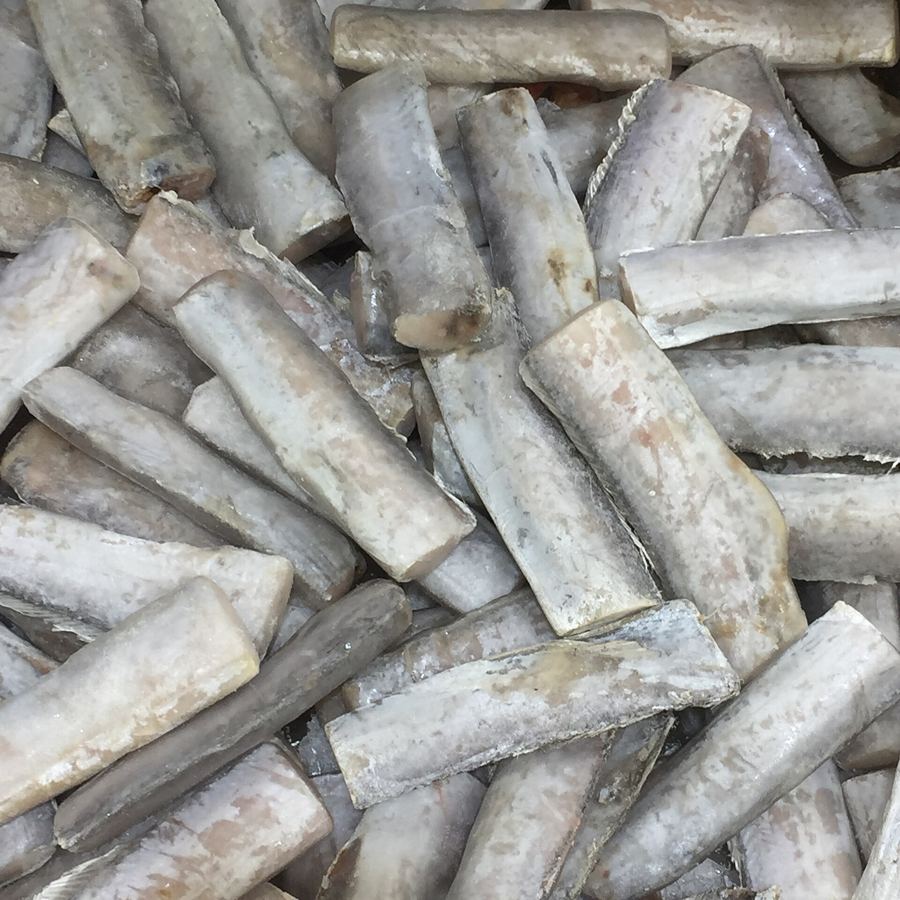
Breaded pangasius has quietly become the back-of-house protein in a lot of operators that would never put the word pangasius on the menu. It takes a seasoning well, fries evenly, portions to match a bun or a plate, and holds a mild whitefish flavour that reads familiar across markets. Whether the operator calls it a white fish fillet, a fish burger or a crispy fillet, the frozen case in the back is often breaded pangasius from Vietnam. That makes it an easy product for a foodservice distributor to add, and an easy one to get wrong, because the differences between a good run and a bad run usually show up only in a fryer basket at service. For the raw-material side behind this piece, see pangasius exporter Vietnam.
What foodservice breaded pangasius actually is
Breaded pangasius starts as a frozen fillet, usually skinless and boneless. The fillet is cut to the agreed shape, dipped in a wet batter and then coated with breadcrumb. The crust is set, the piece is frozen again, and it goes into a bulk polybag inside a plain master carton for foodservice, or into retail-ready packaging for a retail buyer. For foodservice the typical formats are a rectangular fillet, a square portion, a strip or a nugget. All four can be sold raw-breaded, par-fried or fully cooked. Raw-breaded means the piece is only coated, with the fish inside raw. Par-fried means a short dip in oil to set and colour the crust. Fully cooked means a longer cook, which lets the operator finish from frozen in a convection oven or an air fryer.
Portion sizes and shapes
The most common foodservice portion sizes are 60 g, 80 g, 100 g and 120 g with a tight weight band around the nominal. A 100 g portion with a plus or minus 5 g band fits a bun or a tray. A 60 g strip is sized to a basket of five pieces. Nuggets usually range from 15 g to 25 g per piece. The size follows the plate the operator is building, not a processor default.
Shape matters as much as weight. A rectangular fillet reads as a sandwich item. A square portion reads as a plate item. A strip reads as a snack or a basket item. Changing the shape between orders means a tooling change on the forming line and sometimes a short trial run, so the shape is best decided at the first inquiry. The quote firms up fast once the shape and weight are agreed.
Batter, breading and coating ratios
The batter and breading ratio drives the look and the mouth-feel of the finished piece. A typical foodservice breaded fillet carries between 30% and 45% total coating on the finished piece, split between an inner batter layer and an outer breadcrumb layer. The ratio sits inside what most Western retail and foodservice markets accept as a reasonable breaded product. Some destinations apply tighter rules on minimum fish content, and buyers should check the label requirement with their regulator before setting the ratio.
The breadcrumb style is a choice as well. Japanese panko fries up tall and crisp. European white crumb reads classic and even. Yellow crumb has a toasted colour before the fryer. Corn crumb reads as a southern-fried texture. Herbed crumbs sit anywhere between. The choice follows the menu more than the price list. The processor runs the sample on the chosen crumb first and the production line is set up for the approved style.
| Spec field | Typical foodservice setting |
|---|---|
| Portion weight | 60 g, 80 g, 100 g, 120 g with a tight weight band |
| Shape | Rectangular fillet, square portion, strip, nugget |
| Coating level | 30% to 45% total on the finished piece, agreed per order |
| Crumb style | Panko, European white, yellow, corn or herbed |
| Cooking state | Raw-breaded, par-fried or fully cooked |
| Pack | Bulk polybag inside a plain master carton, 5 kg to 10 kg |
Cooking method and yield
Yield after cooking matters because the operator pays for a finished portion on a plate, not a frozen piece in the case. On a raw-breaded fillet a 100 g piece typically delivers 70 to 80 g on the plate after a deep fry, depending on time and oil temperature. A par-fried piece loses less because part of the moisture has already been driven off. A fully cooked piece that is reheated loses almost nothing beyond a thin surface moisture layer.
Operators also test the piece in a convection oven and in an air fryer. Not every breaded pangasius piece behaves well in an air fryer. The crust can go dry if the batter is thin, or lose grip if the breadcrumb is coarse. Buyers who sell into a chain with an air fryer finish should ask for an air-fryer trial on the sample before approving the production run. The exporter can send the sample with the recommended cook time and temperature so the test at the operator's kitchen is reproducible.
Case packing and freezer logistics
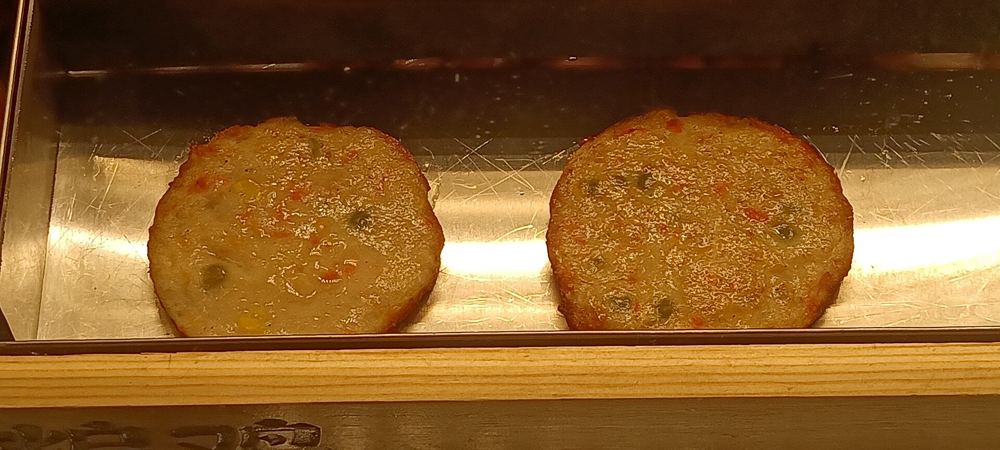
Foodservice pangasius ships in bulk polybags inside plain master cartons. Common masters are 5 kg, 7 kg and 10 kg net. Pieces are either loose IQF, interleaved with release paper or film, or layered on tray cards. Layering keeps the piece shape when the operator pulls one from the case. The pallet pattern follows the destination warehouse: European pallets differ from US pallets and both differ from Australian pallets, so the pallet type and the layer pattern are confirmed with the buyer before stuffing. For a reminder of what the reefer side looks like on the sea leg, our cold chain note walks through the checks on the container.
Private label and brand on the box
Foodservice buyers often use their own distributor brand on the master carton. The processor runs a plain carton on the artwork the buyer sends, and a chain operator's brand can also sit on an inner polybag when the volume justifies the plate. The master usually carries the generic descriptor, the net weight, the piece size, the production code and the destination labelling. For the private label mechanics on surimi, which share many of the same steps, see private label surimi MOQ and container guide.
Spec checks before a first container
Before the first container, pin down six lines. Fish species and form, which is skinless boneless pangasius fillet, raw-breaded, par-fried or fully cooked, with the trim level. Piece size and weight band. Coating percentage and the style of breadcrumb. Pack size, layer pattern and pallet type. Allergen declarations and label content. Shipping instructions and the reefer set point. The line that catches most new buyers is the coating percentage, because the processor's default sits at a market average and a buyer who wants a specific level for a specific regulator needs to say so before the first production run. For the surimi side of the same question, see Vietnam surimi exporter; for how breaded pangasius sits alongside fish cake in a shared reefer, see Vietnam fish cake supplier.
Have a menu brief and a destination?
Share the shape, the piece size and the port. We return a spec sheet and a sample plan inside a working day.
Ask for a quoteFAQ
Is breaded pangasius fully cooked when it arrives?
It can be raw-breaded, par-fried or fully cooked. The three forms behave differently at the operator and the finish method is different for each. Buyers decide the form at the inquiry stage and the processor runs the sample on that form.
What coating percentage is normal on foodservice breaded pangasius?
Most foodservice lines sit between 30% and 45% total coating on the finished piece, split between an inner batter layer and an outer breadcrumb layer. Some destination markets apply tighter rules on fish content. The exact level is written into the specification before production.
Does breaded pangasius freeze and ship well?
Yes, provided the piece is frozen hard before packing and held between -18°C and -22°C through storage and shipping. The crust is designed to survive the move and the fryer. The cold chain is the part that matters, not the product itself.
Can we run our own breadcrumb style on breaded pangasius?
Yes. Japanese panko, European white crumb, yellow crumb, corn crumb and herbed crumbs are available. The processor runs the sample on the chosen crumb first and the production line is set up for the approved style.
Can breaded pangasius share a reefer with other seafood items?
Yes. Breaded portions share a reefer with fish cake, surimi and plain fillets. Durian ships in its own container because the smell carries. The split is agreed per order and written into the quote.
Do you supply retail-ready breaded pangasius too?
Yes. Retail packs run on the same base product with a different inner bag, a different carton and a different label. The retail version is a separate conversation about artwork, barcodes and chain approval.