
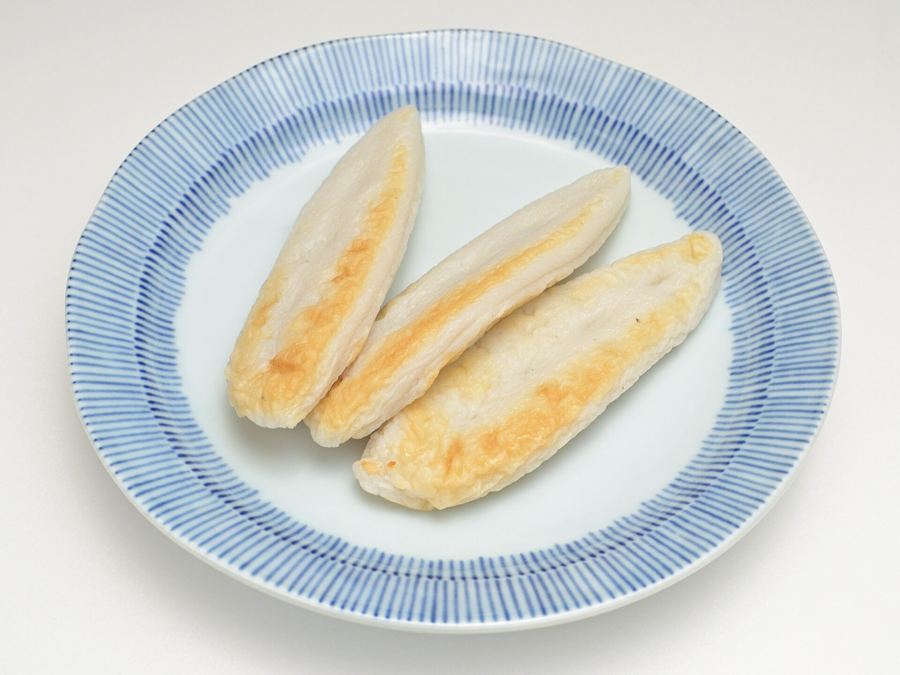
A sample from a Vietnam food exporter is not a tasting; it is a specification in cardboard form. The buyer who treats samples as marketing kits tends to approve a container that eats a month of back-and-forth after loading. The buyer who treats samples as a rehearsal of the real production tends to land the first reefer close to the plan. Three rounds, a small lab test, and a parcel small enough to clear customs without becoming a project. That is the shape. For the specification side of the same conversation, see our pillar pages on Vietnam fish cake supplier and Vietnam surimi exporter, and the practical loading view in how to import frozen fish cake from Vietnam.
Three sample rounds, not one
Fish cake, surimi and breaded pangasius are seasoning and texture products as much as fish products. One round rarely tells a buyer enough to approve a container. Three rounds is the pattern that stops surprise at loading.
The first round is a stock sample. Whatever the processor has in cold storage that is closest to the brief. The buyer tastes it, judges the texture and bite, and either keeps going or stops. The second round is a recipe trial. The processor runs the buyer's recipe or the closest reference, in a short batch. The third round is a pre-production sample. A set of cartons from the same lot that will fill the container, pulled before the reefer is sealed. The third round is the one many first-time buyers skip. It is also the round that catches label mismatches, portion drift and freezer burn before the reefer sails.
A straight copy of an existing recipe on an existing line can sometimes compress to two rounds. A new recipe with a new seasoning and a new carton rarely does.
What a sample inquiry should say
A sample inquiry is a short brief, not a wishlist. The exporter who reads a one-paragraph inquiry can plan a sample inside a day. The exporter who reads a page of adjectives tends to send back a sample of their own default and ask the buyer to taste it. Six lines are enough.
| Line | What to write |
|---|---|
| Product line | Fish cake, surimi, breaded pangasius, frozen pangasius or frozen fruit and vegetables |
| Reference | A named recipe (Korean odeng, Japanese kamaboko, Thai fish cake), a competitor photograph or your own written recipe |
| Portion and format | Round, oval, stick, slice; target weight band; retail bag or bulk polybag |
| Volume plan | Pallet set in a shared seafood reefer, a full container, or an evaluation lot |
| Destination | Country and port, with target delivery month |
| Who pays what | Confirm the courier split for air, and the Incoterm if the sample is shipped by sea |
If a buyer wants the sample to also test cold-chain performance, add one more line. The requested freezing method, the glaze percentage and the required core temperature on arrival. Those three let the exporter plan the parcel properly.
Air versus sea sampling
Most first-round samples travel by air. A small parcel moves inside a few days, the frozen chain is tight because the courier handles it as perishable, and the buyer tastes the product while the inquiry is still fresh. Air is more expensive on a per-kilogram basis, so a 2 kilogram sample is a different proposition from a 20 kilogram one.
For larger evaluation lots that need to test a recipe at a volume closer to a retail launch, sea freight on an existing reefer route is often cheaper. A sea sample moves inside the same cold chain the real container will use, which is the point of a pre-production round. The trade-off is time. Four to six weeks is a reasonable range door to door, depending on the destination.
Many buyers run a hybrid. The first and second rounds travel by air so the recipe is locked quickly. The third round travels by sea on the existing route, and lands close enough to the real production slot that both can be judged together.
Who pays what
The split is usually simple on the first round and more negotiated on the later rounds. A standard sample under about 2 kilograms is often sent at no charge, with the buyer paying the courier to their destination. Larger evaluation lots, recipe trials that stop the line, and pre-production samples cut from a sealed lot are quoted separately. The exact split is agreed per order.
Three details save back-and-forth. First, confirm the courier account to use before the parcel is packed. Second, name the Incoterm on any sea-freighted sample so the exporter knows which charges to include. The FOB CFR CIF frozen food note explains how the terms work on a reefer. Third, agree the sample invoice in writing before dispatch so the destination customs value is not surprising. For how pallet shares turn into container prices on the real order, our Pangasius exporter Vietnam page gives the ground.
Testing the sample properly
A sample test has three parts. Sensory, physical and lab. Sensory is the taste, the bite, the mouth feel and the colour under store lighting. Physical is the portion weight, the shape consistency, the freezer burn on the inner bag and the ease of de-boxing in a kitchen. Lab is microbiology and residues against the parameters that will go on the specification sheet.
The buyer who writes down the test plan before the sample arrives learns more from the sample than the buyer who tastes it and makes a note. A one-page score sheet with the same fields as the final specification turns a tasting into a document that both sides can refer to in the next round. The exporter can match the next sample to the sheet, not to a memory.
Common sample mistakes
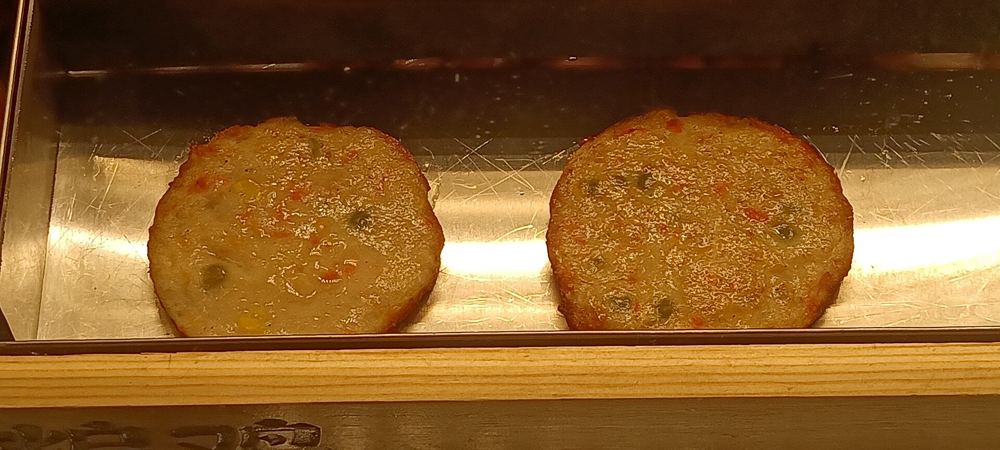
Four mistakes come up again. The first is skipping the pre-production round to save three weeks. The second is approving the first sample on taste alone, without a score sheet. The third is sending a sample to a personal address rather than the business address, which slows customs. The fourth is forgetting to agree the lab panel in writing, so the Vietnamese lab tests for one set of parameters and the destination lab tests for another.
Each of these is a small habit, not a strategy. Each costs a month if it is missed on a first order and almost nothing if it is caught early.
Ready to request a first sample?
Send a short brief with the six lines above. We write back with a sample plan and a courier split inside a working day.
Request a sampleFAQ
Are samples from a Vietnam food exporter free?
A standard sample under about 2 kilograms is often sent at no charge, with the buyer paying the courier. Larger evaluation lots, recipe trials and pre-production samples that stop the line are quoted separately. The exact split is agreed per order.
How many sample rounds should a buyer plan?
Three rounds is a sensible starting point for a new recipe. A stock sample first, then a recipe trial, then a pre-production sample from the lot that will fill the container. A straight-copy recipe on an existing line can sometimes compress to two rounds.
Should samples travel by air or by sea?
Air is faster and keeps the frozen chain under tight control for a small parcel. Sea takes longer but costs less for larger evaluation lots. Many buyers run the first round by air and the pre-production round by sea on an existing route.
What should the sample inquiry email contain?
Product line, reference recipe or a competitor photograph, portion size and shape, intended destination and target delivery month, and whether the buyer wants retail or food service packing. Short and specific beats long and generic.
How long does a sample round take?
A stock sample tends to leave Vietnam within a week of agreement. A recipe trial takes two to four weeks because the processor schedules it against the line. A pre-production sample sits inside the production slot of the real order and travels on the same clock.
Can we test the sample for microbiology ourselves?
Yes. Many buyers run their own lab test alongside the Vietnamese lab report. Agree the parameters and the sample size in writing before the sample ships so the parcel is big enough for both tests.