
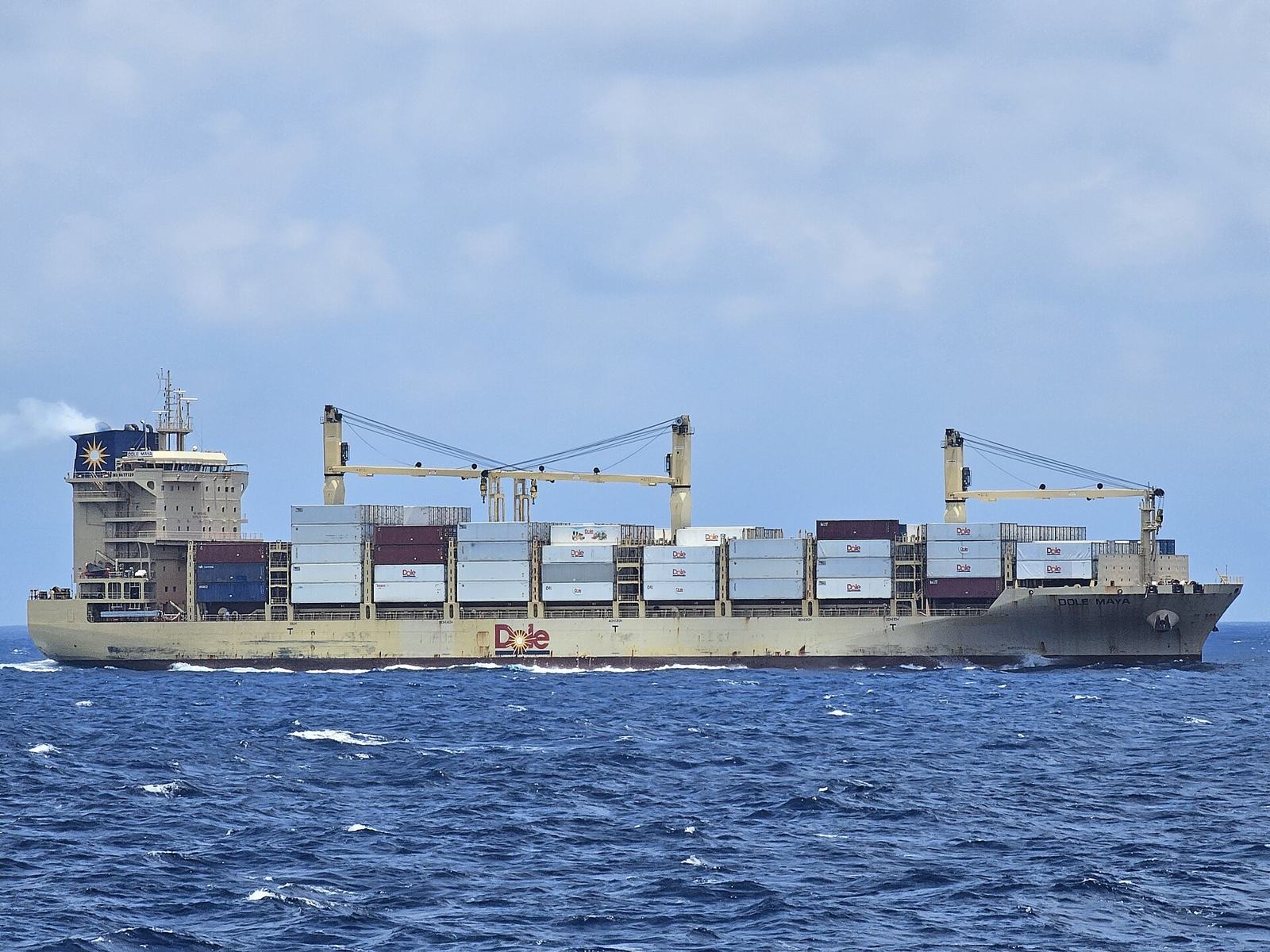
The three Incoterms a buyer meets most often on a Vietnamese frozen food quote are FOB, CFR and CIF. All three move the goods by sea in a reefer container. All three leave import clearance and inland transport at destination to the buyer. The difference sits in who books the ocean leg, who pays for it and who buys the insurance. For the raw-material side of a shipment that moves under these terms, see our Pangasius exporter Vietnam page, and for finished seafood see the Vietnam fish cake supplier page.
What the three terms do
FOB stands for Free On Board at the Vietnamese port of loading. The exporter brings the goods through the port, pays the local export charges and loads the container on the vessel. From that point, the risk and the cost sit with the buyer. CFR, Cost and Freight, is FOB plus the ocean freight paid by the exporter to the destination port. CIF, Cost Insurance Freight, is CFR plus a basic marine insurance policy. Risk still passes to the buyer when the goods are loaded in Vietnam, but the exporter has prepaid the ocean leg and the insurance.
None of the three term covers import duties, destination plug fees for the reefer, destination terminal handling or inland transport. Those are the buyer's costs under all three. The customs broker at destination handles the submission against the health certificate, invoice, packing list and bill of lading.
FOB in practice for frozen food
Under FOB, the buyer picks the freight forwarder and the shipping line. The exporter releases the cargo to the forwarder's nominated vessel at the agreed loading port, usually in Ho Chi Minh City or Hai Phong. The exporter pays for the pre-carriage from the processor's cold storage, the port handling and the plug fees on the Vietnamese side up to the vessel. The reefer temperature is set at -18°C before loading and confirmed to the shipping line as part of the booking.
FOB tends to work well for a buyer who already runs regular ocean imports and has a forwarder they trust. The forwarder negotiates rates against their total book, which is often sharper than a single-container quote. For how the physical reefer is loaded and checked under any Incoterm, see our note on -18°C cold chain: what to check in a reefer.
CFR in practice for frozen food
Under CFR, the exporter also books the ocean leg to the destination port. The buyer still carries the risk once the cargo is on the vessel in Vietnam, so a buyer who takes CFR normally buys their own cargo insurance separately. CFR suits buyers who prefer the exporter to handle the vessel booking because they do not have a local forwarder yet, but who already have an insurance programme at home that they would rather use than the basic policy an exporter would attach under CIF.
On a shared-container shipment, where fish cake, surimi and breaded pangasius travel in the same reefer, CFR is a common choice. The exporter is already consolidating cargo for several buyers inside Vietnam, so adding the ocean leg to that same booking tends to be cleaner than coordinating two forwarders.
CIF in practice for frozen food
Under CIF, the exporter adds a basic marine insurance policy on top of CFR. The buyer named on the policy, usually through the exporter's insurer, is covered for the standard sea-leg perils written in that policy. CIF is often the choice for a first-time buyer who wants a single point of contact to clear up to the destination port. The paperwork is cleaner, the quote is one line, and the handover at destination is where the buyer's role begins.
What the basic CIF policy actually covers is where many first-time buyers are caught out. The default under the current Incoterms rules is a basic cover, closer to Institute Cargo Clauses C than to all-risk. For frozen food, that gap matters, because the perils a reefer most often faces are temperature deviation and plug failure rather than ship casualty.
Reefer and insurance detail
For frozen food, the Incoterm is only one page of the shipment. The reefer wording is another. The booking should state the set point at -18°C, the ventilation setting, the humidity if the line asks for it, and the data logger inside the container. The exporter's QC team photographs the core temperature of the first and last cartons at loading. The logger reading at destination is checked against those photographs.
Insurance for a reefer sits in two layers. The ocean cargo insurance covers the standard sea-leg perils named in the policy. A reefer-specific endorsement, or a separate all-risk policy with temperature cover, closes the gap for plug failure, reefer breakdown and dwell at the destination terminal. Many experienced buyers of frozen food run their own all-risk policy regardless of Incoterm, because it moves one of the hardest conversations off the quote and onto the insurer.
| Point in the chain | FOB | CFR | CIF |
|---|---|---|---|
| Pre-carriage to Vietnamese port | Exporter | Exporter | Exporter |
| Vietnamese port and loading on vessel | Exporter | Exporter | Exporter |
| Ocean freight to destination port | Buyer | Exporter | Exporter |
| Marine insurance for the sea leg | Buyer | Buyer | Exporter (basic policy) |
| Risk once on the vessel in Vietnam | Buyer | Buyer | Buyer |
| Destination terminal, duties and inland | Buyer | Buyer | Buyer |
Which to choose, by situation
For a first container with a new exporter, CIF is often the softer landing. The buyer sees one quote, the exporter handles the ocean leg, and the basic policy is in place. The buyer still books an extra all-risk policy with their own insurer if the destination has cold-chain history that argues for it. For a buyer running their fifth or tenth container with the same exporter, FOB tends to be the better fit, because the buyer's forwarder knows the lane and the paperwork rhythm.
For a mixed-seafood share, CFR is a common middle. The exporter is already consolidating the cargo at the Vietnamese port, so routing the booking through the same office keeps the paperwork tidy. For a buyer that imports frozen fruit and vegetables alongside seafood on separate containers, the Incoterm can differ by container. Fish is not loaded with fruit in the same container, and durian ships in its own container, so the quote treats them as separate shipments. For the fruit side, see our Vietnam frozen fruit and vegetables page.
Not sure which Incoterm to put on your pro forma?
Tell us the destination port and whether you have a forwarder. We write back with the term that fits.
Ask for a quoteFAQ
What do FOB, CFR and CIF mean in plain language?
FOB means the exporter delivers the cargo loaded on the vessel at the Vietnamese port. CFR adds the ocean freight to the destination port. CIF adds a basic marine insurance policy on top of CFR. In all three, the buyer handles import clearance and inland transport at destination.
Is FOB cheaper than CIF for a frozen food reefer?
On paper FOB looks cheaper because freight and insurance are not inside the exporter's quote. In practice the buyer pays for them separately through a freight forwarder and an insurer. The total cost tends to land in a similar range once all lines are added.
Should a first-time buyer pick CIF?
Many first-time buyers prefer CIF or CFR because the exporter handles the ocean leg, which is the leg a new buyer is least set up to run. Once the buyer has a trusted forwarder, FOB becomes attractive.
Does CIF insurance cover a reefer breakdown?
The default CIF cover under the current rules is a basic marine policy. Reefer breakdown and temperature deviation are often not inside that minimum, and are added by endorsement or by a separate all-risk policy. Check the certificate wording with the insurer.
Who pays the reefer plug fees at the destination port?
Plug fees at destination are inside the buyer's import costs under FOB, CFR and CIF. The exporter pays the plug fees up to the vessel in all three. Dwell at destination is a buyer cost, which is why a quick broker matters for frozen food.
Can I switch from FOB to CIF between orders?
Yes. The term is per shipment and is written on the pro forma invoice. Switching requires a fresh quote so freight and insurance costs are priced in. Many buyers run the first container CIF and the next ones FOB once their forwarder is set.