
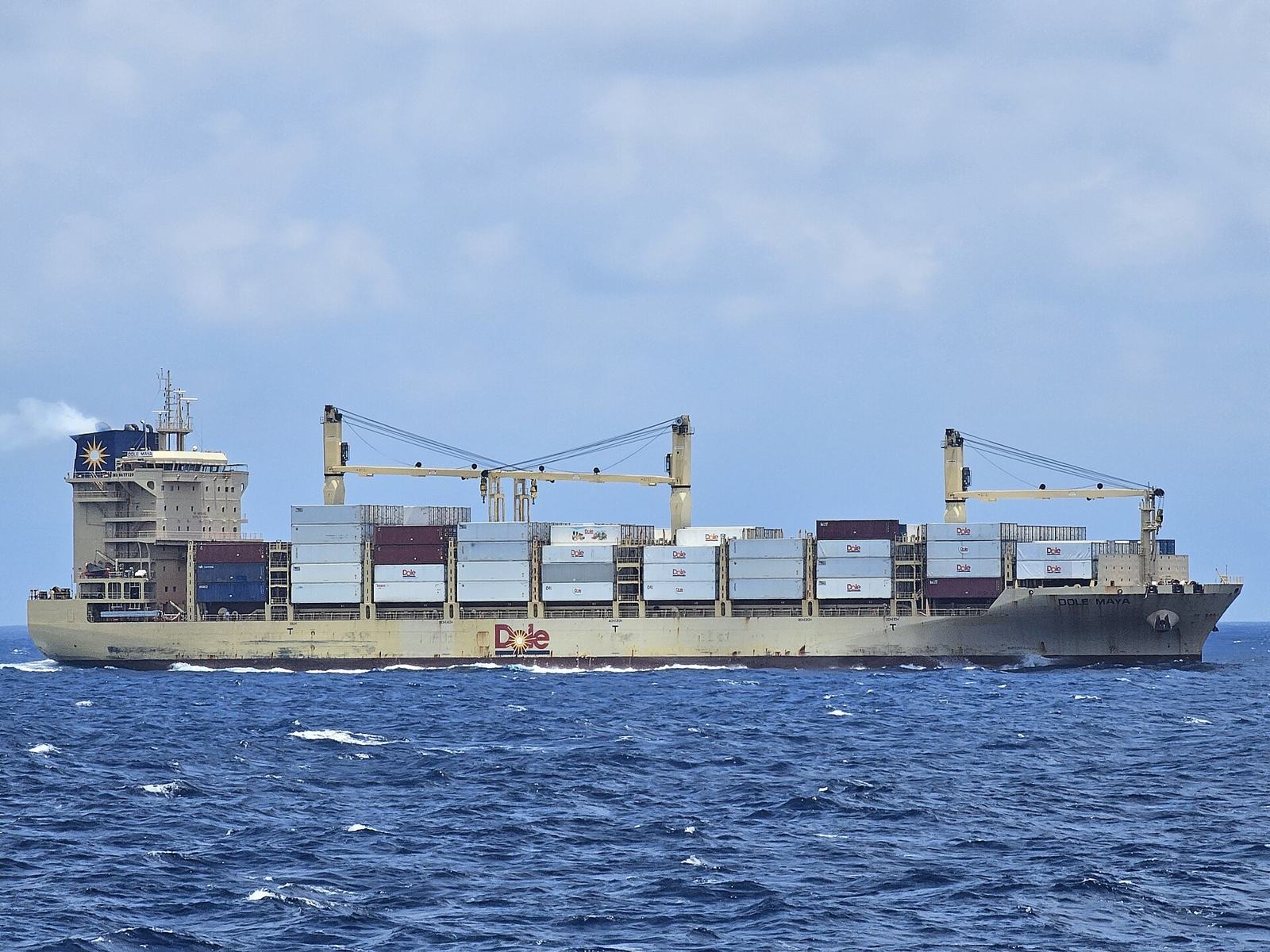
Durian container shipping is the one rule in our line that we do not negotiate. If you buy frozen durian from us, that cargo rides in its own 40 ft reefer. No seafood, no mango, no vegetables, no breaded pangasius, no surimi. For buyers who like container-sharing for the cost saving, this comes as a surprise. For buyers who have already received a tainted container once, it comes as a relief. For the full picture of how durian sits in our broader fruit line, see Vietnam frozen fruit and vegetables supplier, and for a first-order checklist on frozen durian specifically, see frozen durian import from Vietnam: what buyers ask.
The rule, in one sentence
Durian ships in a dedicated 40 ft reefer, loaded only with durian from one shipper on one bill of lading. If the volume is below a full container, the quote still reads as a full container because the box cannot be shared. This is the single thing that catches most first-time importers off guard. Our job is to tell you up front, before the quote is written.
Why the smell is the problem
Durian smells because it releases a mix of volatile sulphur compounds and esters as the fruit ripens. The compounds are small and highly volatile, which is why the smell carries from a market stall to the far end of the street. Freezing slows the release, it does not stop it. Over a sea voyage of three to six weeks at -18°C, enough volatile compound still escapes to saturate the air inside a sealed reefer. From there it migrates into every other cargo in the same box.
The migration is not fussy. It picks up through cardboard, through loose-weave polybag, through most films that are not sealed under vacuum. Thin bags do not stop it. Thick cartons slow it down for a day or two and then the smell is in them too. By the time the container reaches the destination terminal, a seafood lot that travelled alongside durian is unsaleable.
Why inner packs do not fix it
Buyers often ask whether a stronger inner pack solves the mixing problem. Vacuum pouches help, printed laminates help, double bagging helps, triple bagging helps. None of these takes the smell to zero over a three to six week voyage. The surface area of a full container's worth of durian carton is large, and the air inside the reefer circulates by design to keep temperature even across the load. Air moves, the smell moves with it.
There is a second reason inner packs do not solve the problem. On the destination side, the receiving dock often strips the outer master carton before the inner pack reaches the retail shelf. If the master carton has taken on the smell, the handling area smells for days after the stock is in the chiller. That is a receiving-warehouse problem no inner pack ever reaches.
How this changes a quote
Three changes show up on a quote where durian is involved. First, a dedicated 40 ft reefer is quoted even where the ordered volume would fit a half container. Second, the production slot is reserved against a single-cargo loading plan, which usually means a tighter planning window than a shared load. Third, if the buyer wants other items from us in the same shipment, those move on their own quotes with their own containers. The table below sketches how a mixed purchase order becomes a multi-container quote.
| Buyer wants | Containers quoted | Why |
|---|---|---|
| Durian only, under a full load | One dedicated reefer, costed as a full container | The box cannot be shared, so the loading is single-cargo |
| Durian plus other frozen fruit | Two reefers on two bills of lading | Durian smell transfers to the other fruit over the voyage |
| Durian plus seafood | Two reefers, loaded on different days where possible | Fish is not loaded with fruit at all; durian adds the smell rule |
| Durian plus seafood plus vegetables | Three reefers, three bills of lading | Each rule applies in turn |
For buyers scoping the finished seafood lines, our two main pillars sit at Vietnam fish cake supplier and Vietnam surimi exporter. Those lines share reefers freely with each other and with raw pangasius. Durian is simply its own planet.
Loading the dedicated reefer
The practical loading sequence looks much like any other frozen cargo, with one extra step at the start. The reefer is pre-cooled to -18°C before stuffing. Pallets are weighed and the carton count on each pallet is checked against the pack list. Core-temperature readings on first and last cartons are recorded. Loading photos go with the shipping documents. The reefer seal number is noted on the bill of lading and shared with the importer before departure.
The extra step is a smell check at the processor before loading. Cartons that are visually sound but carry a strong smell outside the inner pack are set aside. This is a routine quality step that keeps a weak inner-pack lot from going into the container at all. For the broader reefer check-list that applies to this and any other cargo in our line, see -18°C cold chain: what to check in a reefer.
Claims and the shipping line
The shipping line will carry a mixed-cargo container if the shipper books it, but the smell transfer is the shipper's and buyer's risk, not the carrier's. A destination terminal that refuses tainted cargo at offload is within its rights. A retailer that rejects goods at the dock does not have a carrier claim either, since the temperature record from the data logger will show the reefer stayed in band throughout the voyage. The problem is not the temperature, which is why the data record does not help.
The clean way to avoid the claim is simply not to mix. A dedicated reefer costs more on a half-full load than a share would, and the alternative is a load worth zero. We prefer the first number. Our broader line sits at Pangasius exporter Vietnam if you want to pair durian with a separate pangasius container on the same purchase order.
Thinking about durian plus other items?
Share the full item list with the quote request. We split it into containers and come back with a loading plan the receiving dock can trust.
Ask for a quoteFAQ
Can durian share a container with other frozen fruit?
No. Durian shares with nothing. Even in sealed inner packs, the odour carries through the carton and into the air inside the reefer, and from there into every other cargo. We quote durian as its own 40 ft reefer, always.
Does freezing stop the durian smell for container shipping?
Freezing slows the smell but does not stop it. Volatile sulphur compounds and esters in the fruit continue to escape at a lower rate while the lot is held at -18°C. Over a container voyage of three to six weeks, that is enough to taint everything else in the box.
Will the shipping line accept durian with other reefer cargo?
The shipping line will carry the container, but the mixed load is the shipper's and buyer's risk. The destination terminal can refuse to accept the tainted cargo at offload, and the receiving dock has no recourse once the smell has transferred. We do not take that risk.
What pack formats are used when durian ships alone?
Whole fruit with husk on, husked pulp in bulk polybags, and portioned pulp in retail trays or vacuum pouches. The inner pack is matched to the destination buyer, and the master carton is sized for the pallet height the receiving warehouse accepts.
How much durian fits in a dedicated 40 ft reefer?
A 40 ft reefer holds roughly 24 to 27 tonnes net, depending on the pack format and the pallet pattern. Whole fruit with husk on is less dense than pulp blocks, so the piece count rather than the weight sets the loading. The exact figure is written into the quote.
Does the dedicated container cost more than a shared reefer?
The quote reflects the dedicated loading, so a durian container is costed as a full container rather than a share. The sea freight is quoted by the shipping line and travels with the invoice; destination costs sit with the importer. Specific figures are shared with the quote.