
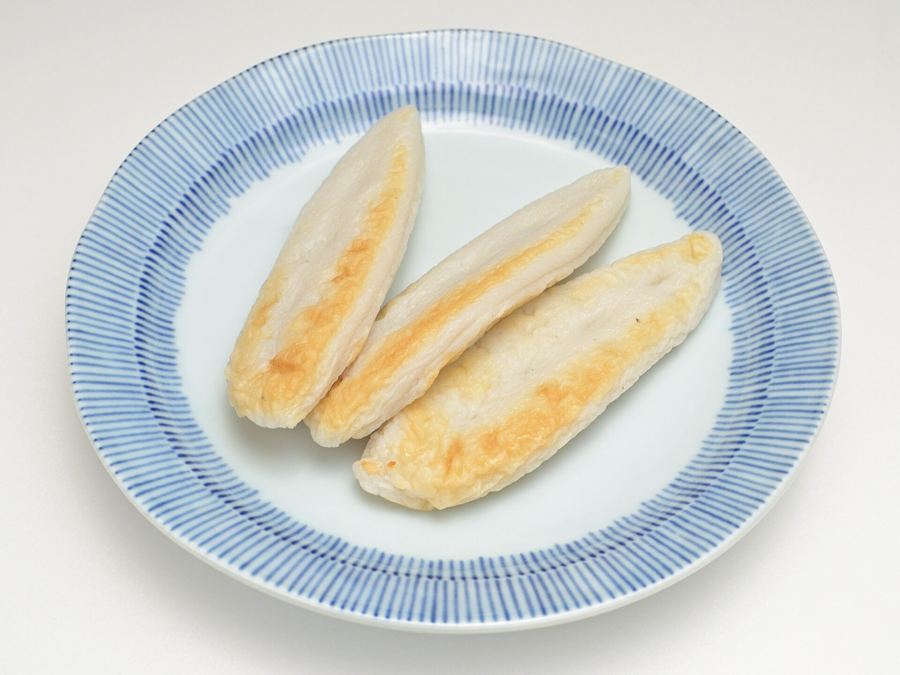
Fish cake, fish ball and kamaboko sit together on many Asian grocery shelves. They share a common raw material and look similar to the eye, but a buyer who treats them as the same product writes a bad specification. The three names cover three different textures, three cultural traditions and three different retail positions. This guide sets out what each means, how they overlap, and what matters when you order any of them from a Vietnamese processor. If you also want the raw material story that sits under these products, our Pangasius exporter Vietnam page covers that side.
What each name actually covers
Fish cake is the broadest term in English. It covers almost any formed product made from fish paste or minced fish, held together with starch or egg, and set by steaming, frying, grilling or boiling. In Korean cooking, eomuk or odeng is a sheet or stick of fish cake used in soup and street food. In Thai cuisine, tod mun is a small spiced patty, deep fried. In Chinese cooking the term can mean a flat cake used in stir fry or hot pot. The retail bag often reads simply "fish cake" with a style name underneath.
Kamaboko is a Japanese tradition. The paste is pressed onto a small cedar board and steamed, which gives a firm bite and a smooth, slightly bouncy texture. The exterior is often pink or red, the interior white. Kamaboko sits on osechi plates at New Year, floats in udon soup and tops ramen. The product is more specific than the English word "fish cake", because the shape, the board and the cooking method are all part of the definition. Related Japanese products such as chikuwa (tube shaped), satsuma-age (fried) and naruto (spiral slice) sit in the same family.
Fish ball is round, bite sized and usually poached in soup or hot pot. Teochew style fish balls lean soft and bouncy. Hong Kong fish balls can be the yellow curried variety sold on skewers. In Southeast Asia the ball sits in rice noodle soups and stews. The product is simpler to form than kamaboko and travels well in frozen retail packs.
Fish cake vs kamaboko vs fish ball at a glance
Buyers who ask for a quick comparison usually want one line each on texture, cooking method and retail format. The table collects the fields that come up most often in a first inquiry.
| Field | Fish cake | Kamaboko | Fish ball |
|---|---|---|---|
| Shape | Flat, oval, stick or sheet | Half loaf on a cedar board | Round, bite sized |
| Cooking method | Pan fry, deep fry, grill, steam | Steamed, sliced for soup or topping | Poached in soup or hot pot |
| Texture target | Soft to firm, varies by recipe | Firm, elastic, smooth | Bouncy, light bite |
| Starch and binder | Moderate to high | Low to moderate | Moderate |
| Common surimi grade | Mid tier for most retail | Higher grade for the firmest bite | Mid tier works well |
| Typical retail pack | Printed polybag, 200 g to 500 g | Single loaf on tray, often 150 g | Printed polybag, 300 g to 1 kg |
The surimi behind all three
Surimi is the common thread. The processor washes and refines fish mince, drains it, and freezes it in blocks. Those blocks are the raw material for most of the products in this family. Fish ball lines take surimi, add starch, salt, sugar and seasoning, mix in a chopper to build gel, form into balls and set them in a brine or steam line. Fish cake lines run the same base, with recipe changes in seasoning and shape. Kamaboko style loaves use a higher proportion of surimi and less filler, since the firm bounce is the whole point of the product. For a deeper look at surimi itself, our Vietnam surimi exporter page covers grades, pack formats and loading.
Not every retail fish cake is made from surimi blocks. Some processors mince whole fish on site and go straight into the forming line, especially for lower price points. The buyer decides which route fits the price target and the label claim. A specification that reads "made from surimi" is a tighter claim than "made from fish mince" and sets a floor on gel strength and whiteness.
Where pangasius fits
Pangasius is one of the affordable white fish species that goes into surimi and into direct minced fish cake lines. The fillet is pale, mild and low in oil, which takes seasoning well and freezes cleanly. For a mid tier kamaboko the processor can run pangasius surimi, often blended with a firmer species to lift the gel strength. For a basic retail fish ball or breaded fish cake, pangasius surimi often meets the target on its own. For the firmest Japanese style kamaboko sold at a premium, pollock surimi remains the reference. Our pangasius vs other whitefish blog goes through the trade offs.
How these three ship from Vietnam
All three products travel at -18°C from processor to port, held between -18°C and -22°C in cold storage before loading. A pre-cooled reefer is stuffed with the set point at -18°C. Fish cake, kamaboko style loaves and fish ball cartons can share one reefer with other seafood items such as frozen pangasius or breaded portions. Fish does not share a container with fruit. Durian ships on its own. A mid size importer rarely fills a 40 ft reefer with one product on its own, so a shared container is the usual pattern. The split by pallet is confirmed in the loading plan that goes with the quote. For a step by step walk through of a first order, see our buyer's guide to importing frozen fish cake.
Not sure which product fits your market?
Send a reference photo and a target retail price. We come back with a spec sheet and a sample plan inside a working day.
Ask for a quoteWhich product fits which shelf
The shelf position decides the product more often than the recipe. Korean grocery shelves in North America move a lot of fish cake in sheet and stick formats, often with a soup pack included. Japanese grocery shelves sell kamaboko loaves at a slightly higher price point and lean on firm bite. Southeast Asian hot pot and noodle sections move fish ball by the kilo bag. A buyer running a Pan Asian frozen aisle may stock all three at once, each in its own pack and with its own label. The spec sheet, the pack art and the retail price all follow that shelf, not the other way round. See our Vietnam fish cake supplier page for how the three can run alongside each other in one order.
FAQ
What is the main difference between fish cake and kamaboko?
Kamaboko is a specific Japanese tradition: a steamed loaf of fish paste set on a cedar board, usually with a pink or red exterior and a white centre. Fish cake is the broader category and covers many shapes, cooking methods and seasonings across East and Southeast Asia. Every kamaboko is a fish cake. Not every fish cake is a kamaboko.
Is fish ball the same as fish cake?
Fish ball is a round, bite sized product usually boiled in soup or hot pot. Fish cake is the wider term and more often pan fried, deep fried or steamed into a flat or oval shape. Both use surimi or minced fish, but the texture target and the cooking method set them apart on the production line and on the shelf.
Can one Vietnamese processor make all three products?
Several processors we work with run fish cake, fish ball and kamaboko style lines in the same plant, with separate forming equipment and separate recipes. The surimi grade is matched to each product. The container plan is agreed per order so your shipment can mix the three in one reefer if the volume supports it.
What surimi grade do kamaboko style products need?
Kamaboko style products aim for a firm, elastic bite, so they tend to use a higher grade of surimi than a basic fish ball or breaded fish cake. The exact grade is set in the specification. Pollock surimi is the reference for the firmest Japanese style products. Pangasius surimi fits mid tier fish cake and many retail fish balls.
Do fish cake, fish ball and kamaboko share a reefer?
Yes. All three travel at -18°C and can share a 40 ft reefer with other seafood items such as frozen pangasius and breaded portions. Fish is not loaded with fruit. Durian ships in its own container. The split by pallet is agreed in the loading plan.
How are these three products labelled on retail packs?
The retail label follows the destination rules. Most markets ask for the common and Latin name of the fish, the surimi declaration where used, allergens, net weight after glaze, origin, batch and best before date. Terms such as kamaboko, odeng or chikuwa can appear as the product name if the market accepts them.